
Closures & Joint Boxes
Inline, dome and butt splice closures, optical cable joint closures and fiber splice boxes.
RIVO OPTICAL connects closure terminology with cable count, splice capacity, tray layout, sealing class, mounting and measurable acceptance criteria.

Closure specifications are often presented in isolation. An inline or dome closure, a splice tray stack, a heat shrink sleeve or a sealed cable entry only becomes meaningful when considered as part of a complete cable route and its installed environment.
This site groups information around the decisions engineers, installers and buyers actually make: selecting compatible splice closures and joint boxes, estimating splice capacity, protecting the joint against moisture and mechanical damage, and confirming performance through testing.
Each track links to the others so a reader can move from closure selection to deployment and troubleshooting.
Inline, dome and butt splice closures, optical cable joint closures and fiber splice boxes.
Fiber splice trays, fusion splice trays, optical cable terminal boxes and fiber optic terminal boxes.
Heat shrink sleeves, protection tubes, protection sleeves, fiber cold joints and mechanical splices.
Cable preparation, tray layout, sealing, insertion loss, return loss and OTDR analysis.
Search-derived source material can contain outdated, incomplete or vendor-specific claims. Pages therefore emphasize validation against current product data, project specifications and applicable standards.
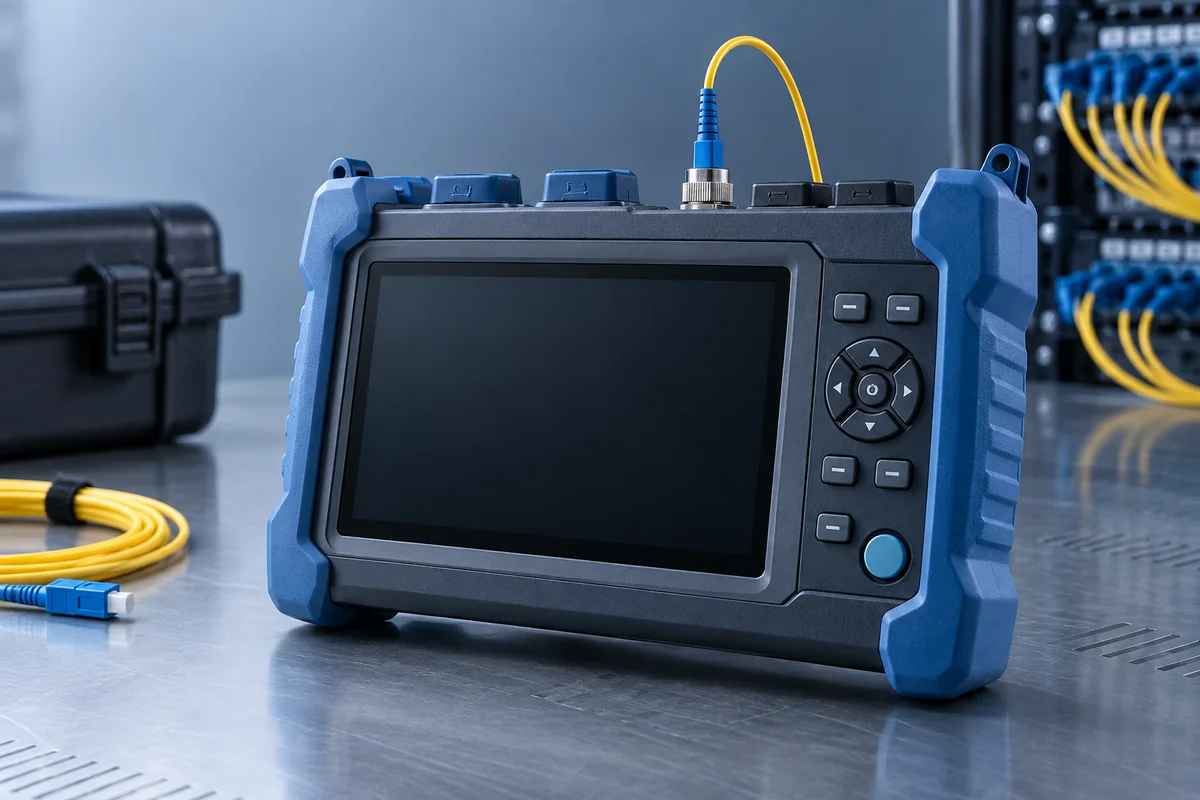
The navigation is designed to keep closely related technical topics within reach.