
Fiber Optic Splice Closure Selection, Mounting and Test Guides
Use these starting points to connect closure specifications with real cable jointing decisions.
Start with the Question You Need to Answer
Each topic opens a dynamic article route backed by the existing database and routing logic.
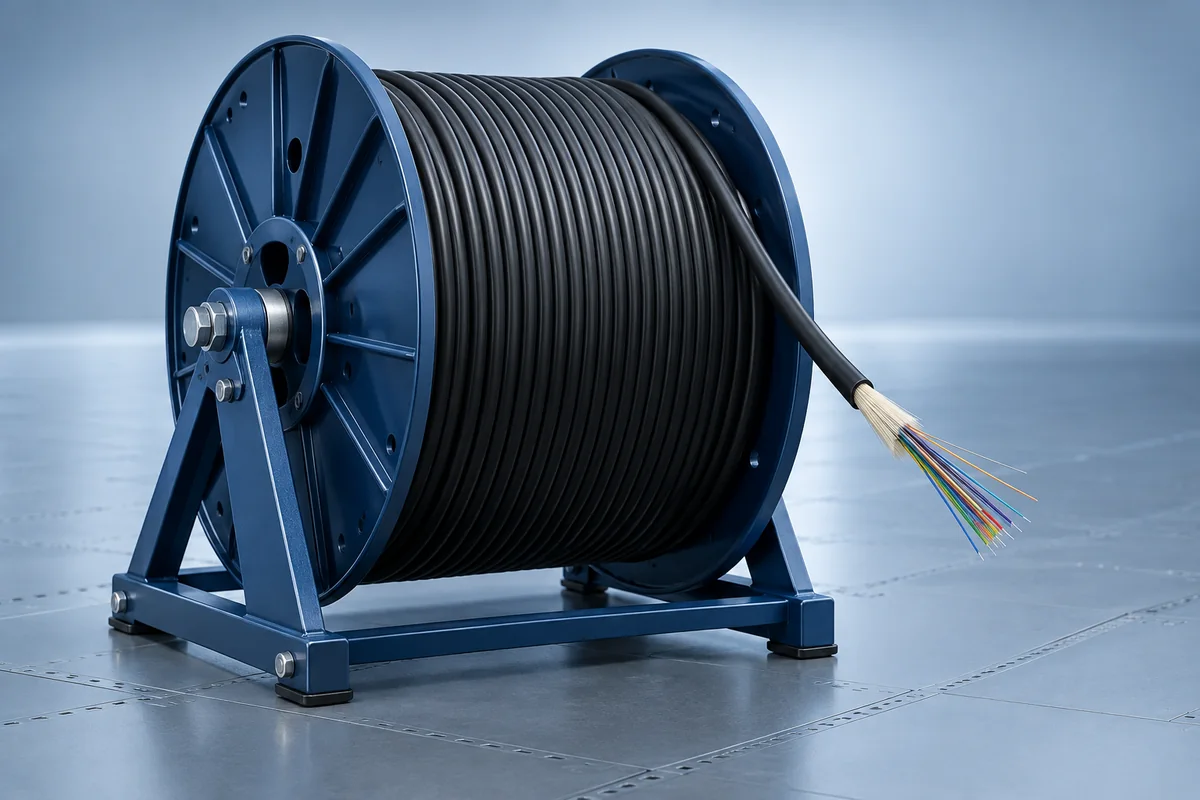
How to Select a Fiber Optic Splice Closure
Compare inline, dome and butt designs, sealing class, tray stack and mounting style.
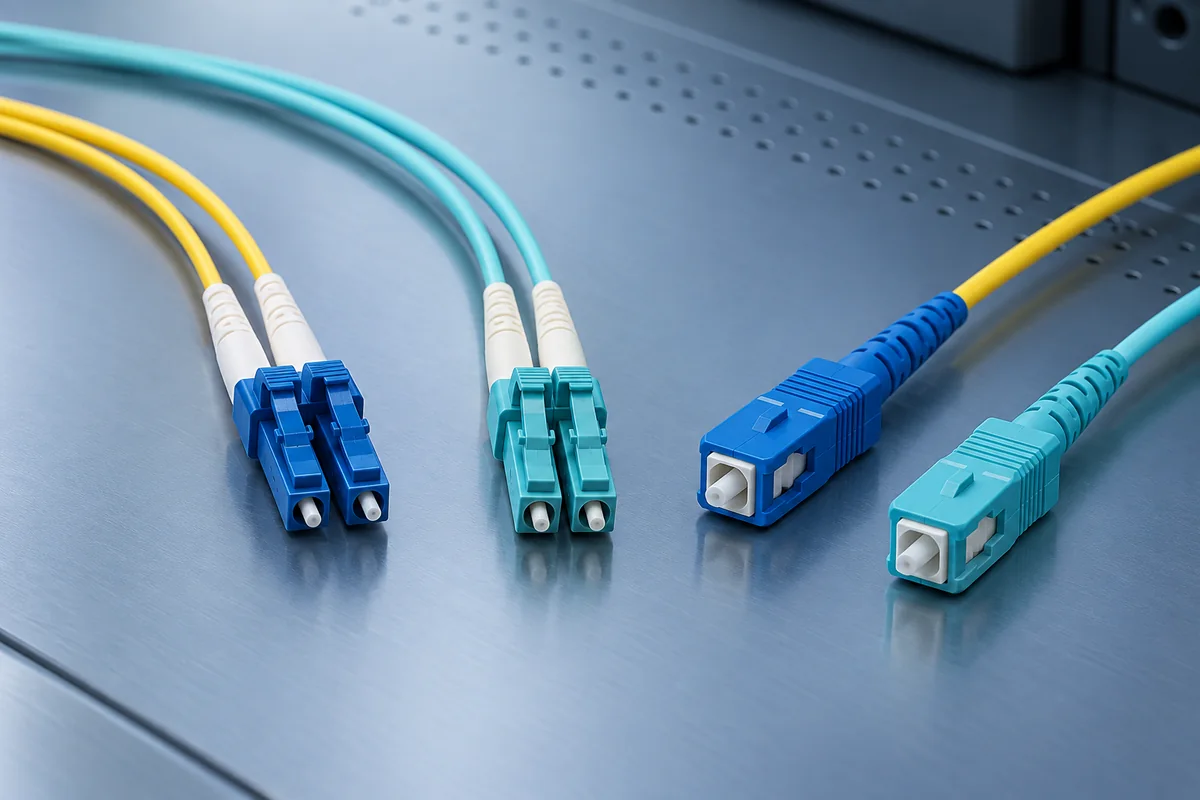
Optical Cable Joint Closures for Duct and Buried Routes
Understand cable entry ports, splice capacity, IP68 sealing and re-entry access.
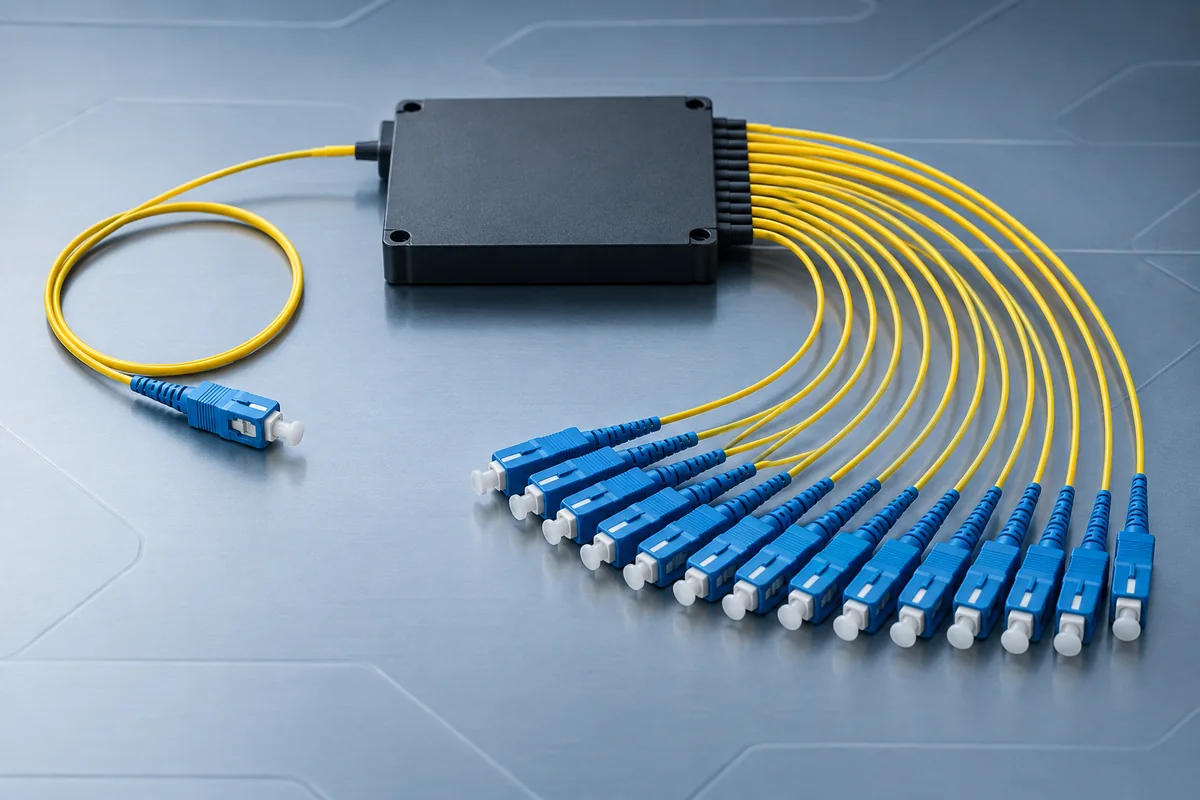
Fiber Splice Trays and Fusion Splice Trays
Relate tray depth, bend radius, sleeve length and stack height to closure capacity.
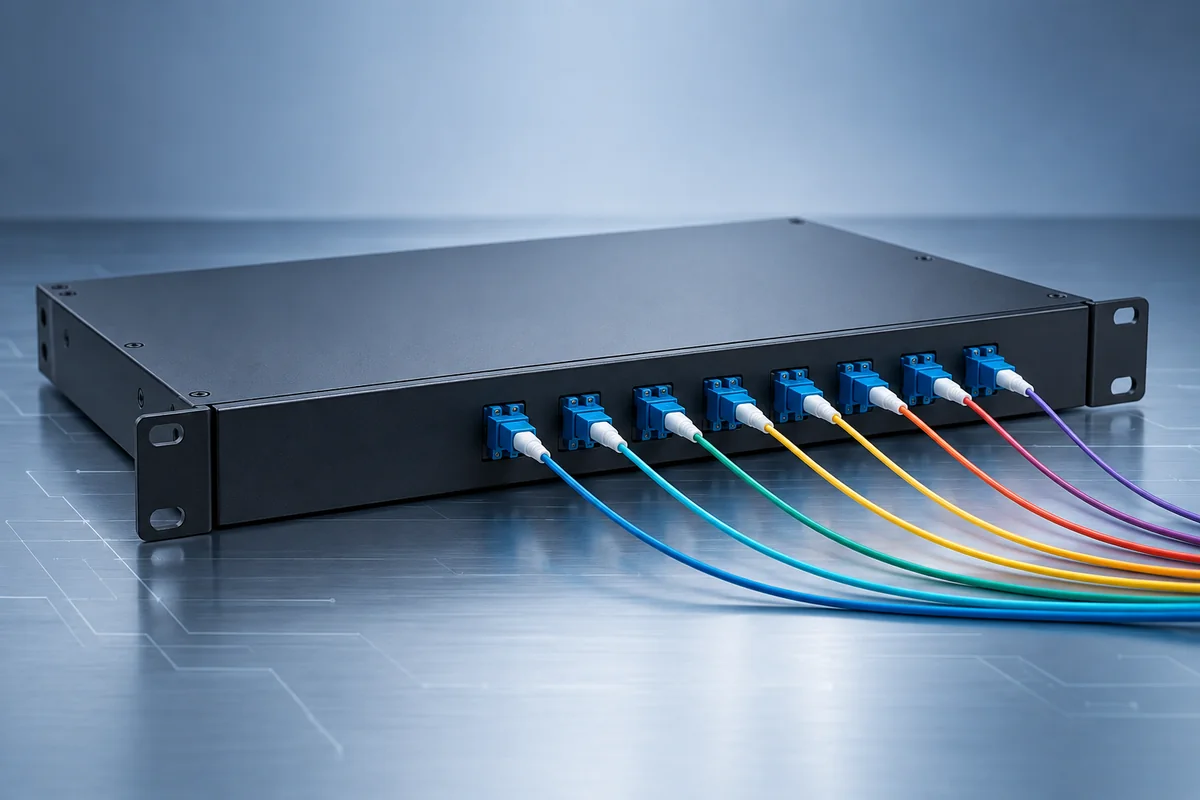
Heat Shrink Sleeves, Protection Tubes and Cold Joints
Choose the right splice protection for fusion splices and emergency restoration.
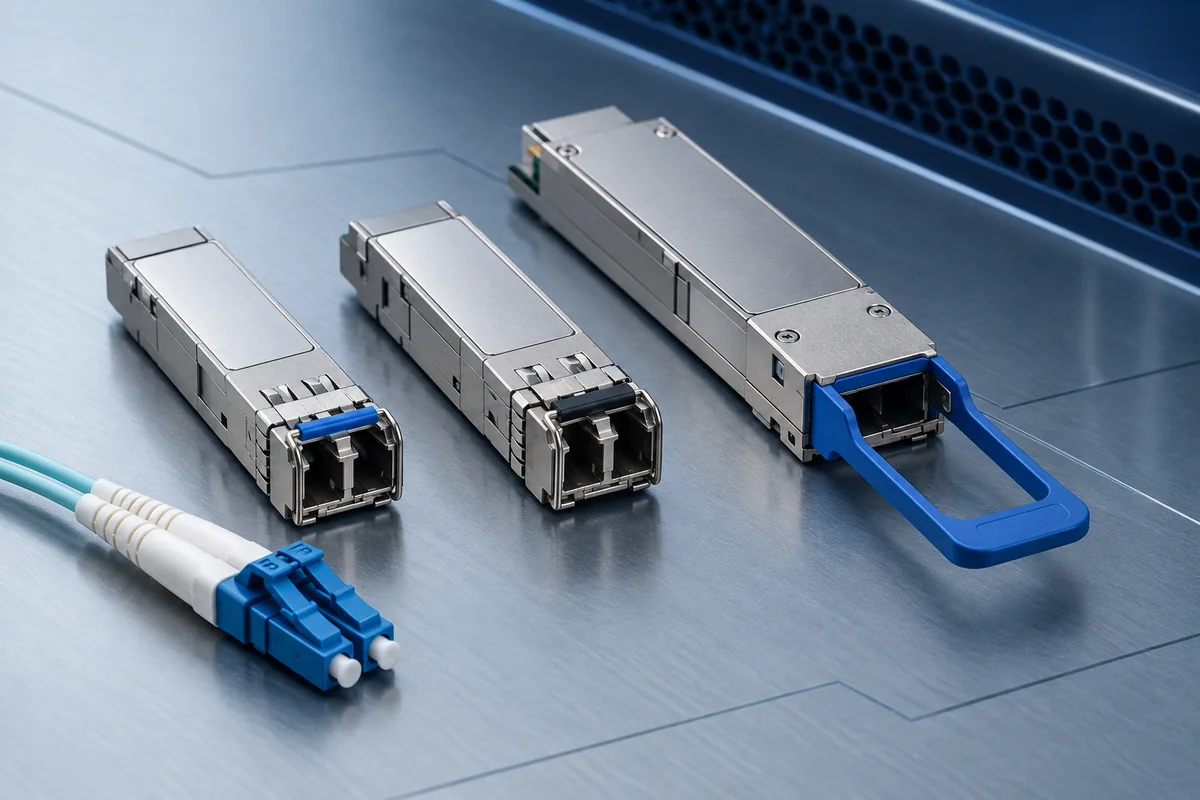
Optical Cable Terminal Boxes and Fiber Terminal Boxes
Match port count, adapter type, splice capacity and mounting to the route end.
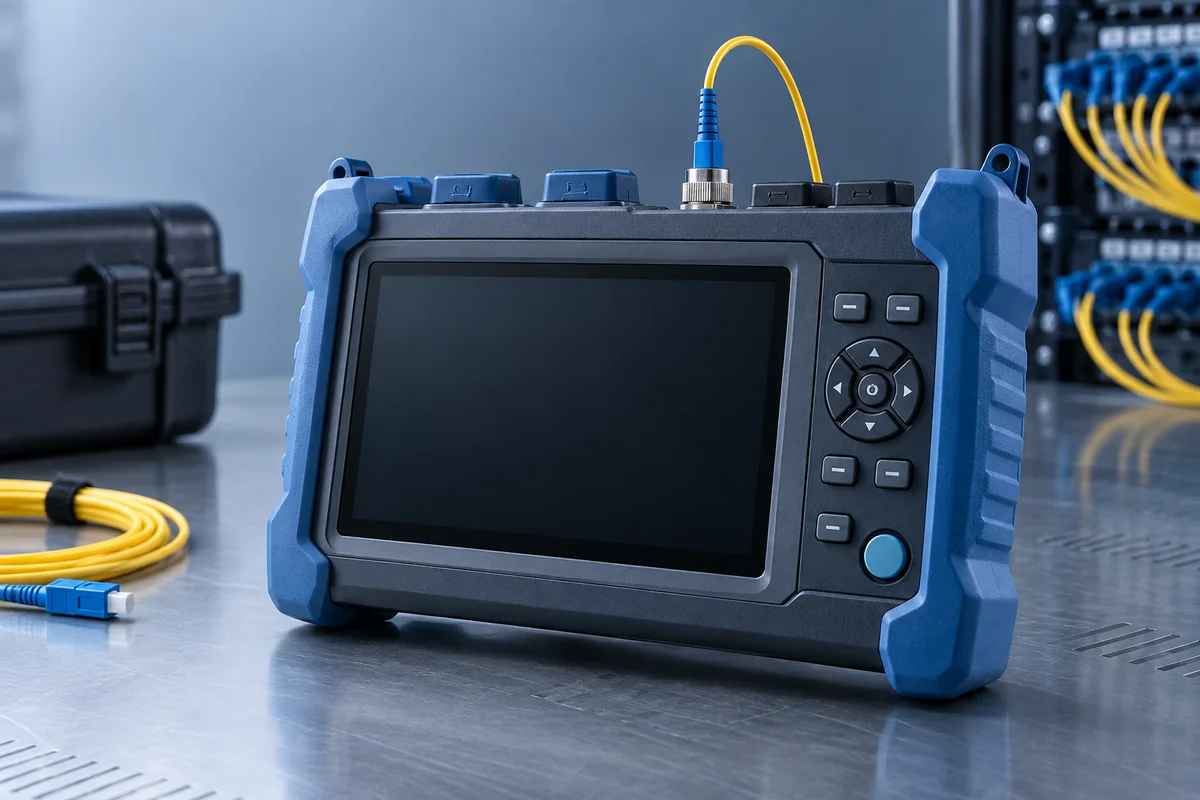
Splice Loss and OTDR Testing
Choose the measurement that answers the acceptance or troubleshooting question.
Fiber Optic Splice Closure Quick Reference
Short answers point to the variables that should be checked in more detail.
What is the difference between a splice closure and a joint closure?
In trade use the two overlap. Joint closure tends to describe a sealed body with separate cable entry ports that joins two cables end to end, while splice closure covers a wider family that also includes inline, dome and butt designs holding splice trays inside.
How do I size the splice capacity of a closure?
Count the splices first, then add allowance for rework and later branching. Sizing at roughly 1.3 to 1.5 times the working splice count keeps a closure usable through the first network upgrade without forcing a new joint.
When should I use a heat shrink sleeve instead of a cold joint?
Heat shrink sleeves give the strongest mechanical and long-term protection and are the default wherever a fusion splicer and power are available. Fiber cold joints suit emergency restoration and temporary links where fusion is not practical.
What sealing rating does an outdoor closure need?
Aerial, duct and buried installations are usually specified at IP68 with a stated immersion time and pressure. Sealing performance depends just as much on cable entry grommets, heat shrink or mechanical seals, gasket condition and lid torque.
What is the difference between a terminal box and a splice closure?
A terminal box sits at the end of a route, terminating cable and presenting adapter or pigtail ports for patch cords. A splice closure sits in the middle of a route and joins cables without exposing ports.
Which tools are needed to splice fiber cable?
A basic kit covers a cable sheath slitter, outer jacket stripper, 250 micron and 900 micron coating strippers, lint-free wipes with isopropyl alcohol, a fusion splicer, a heat shrink oven, a cleaver and an OTDR or power meter.
Describe the route and the decision you are making
Cable count, splice capacity, mounting type, environment and sealing class help focus the discussion.