
Closure Selection
Match inline, dome, butt or joint box closures to your route, cable count and splice capacity.
Cable count, fiber count, splice capacity, mounting style, sealing class and loss target are the most useful first details.
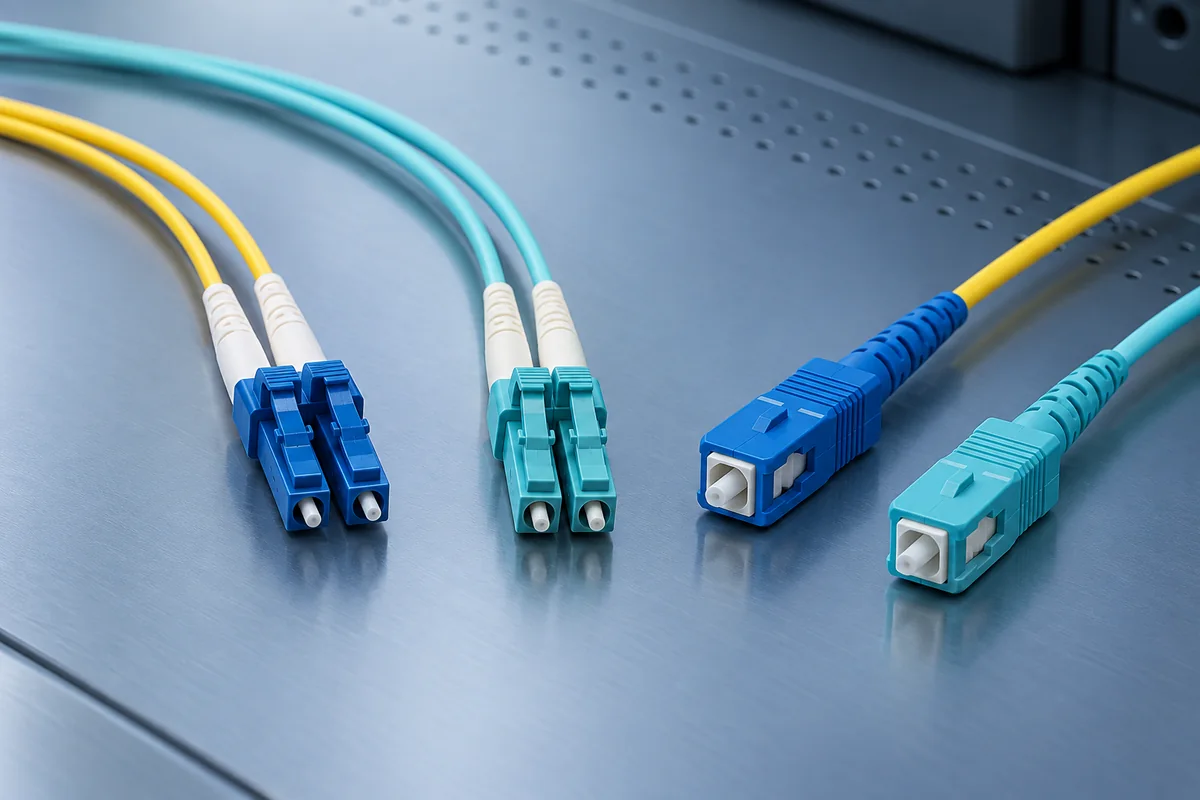
A short, structured brief reduces back-and-forth and makes closure selection or troubleshooting advice more accurate.
Each inquiry type maps to a different set of variables that should be confirmed.
Match inline, dome, butt or joint box closures to your route, cable count and splice capacity.
Choose tray stack, terminal box ports and adapter types for organized splicing.
Select heat shrink sleeves, protection tubes or cold joints for each splice.
Relate splice loss and OTDR results to a realistic link budget and acceptance record.
Use email or WhatsApp for a written technical inquiry, or open the inquiry form if your platform provides one.
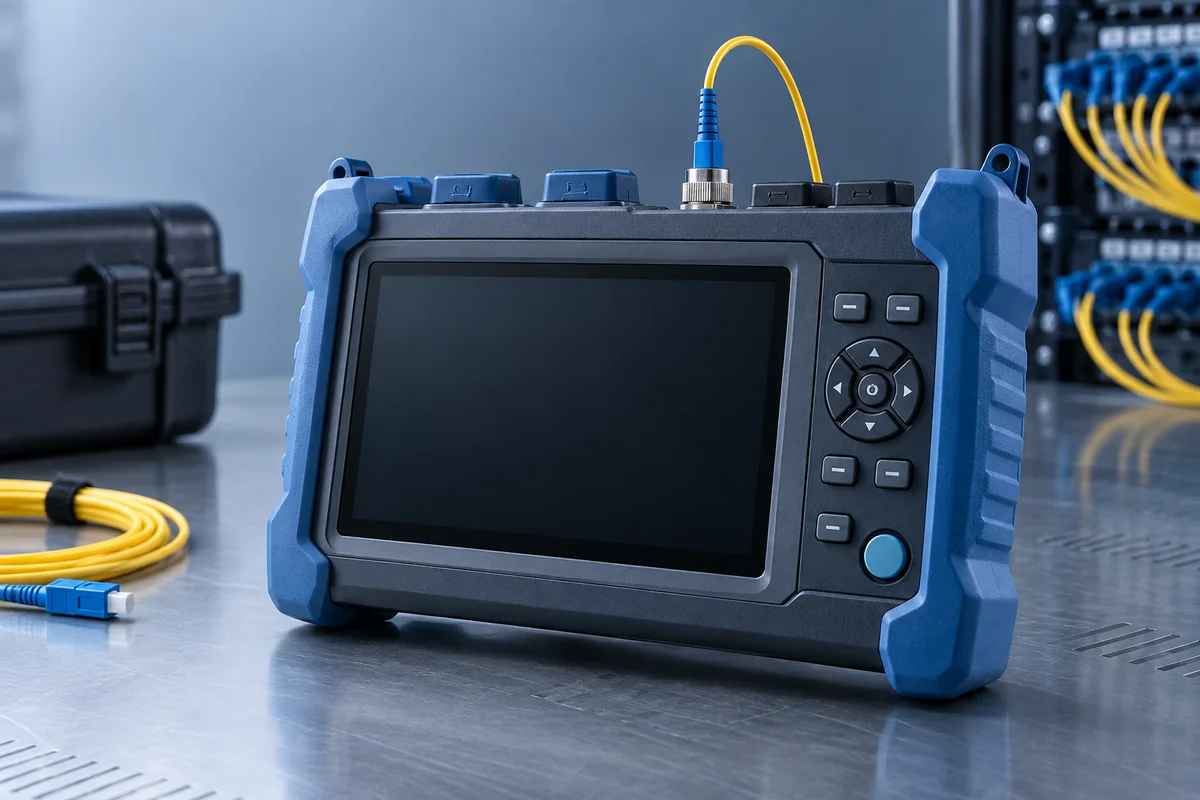
Confirming these three details upfront resolves most closure questions quickly.