RIVO OPTICALSPLICE CLOSURES Technical Inquiry

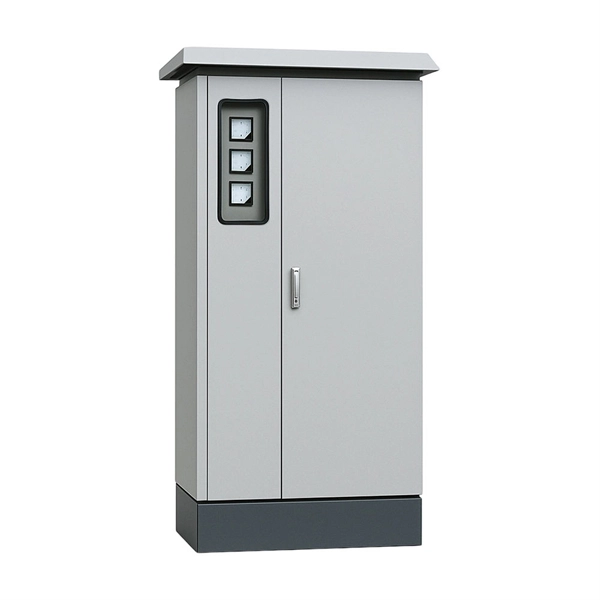
Explosion of electrical distribution box at construction site

Explosions in electrical distribution boxes at construction sites are typically caused by improper installation, inadequate protection against environmental hazards, or use of non-explosion-proof equipment, and can be prevented through strict adherence to safety standards and proper equipment selection.Causes of Explosions

Electrical distribution box explosions often occur due to a combination of factors:

  • Environmental hazards: Water ingress from rain, standing water, or washdown sprays can cause short circuits and electrocution risks, while dust and construction debris can create conductive paths leading to sparks and fires .
  • Mechanical damage: Heavy equipment, foot traffic, or accidental impacts can crush cables or loosen connections, creating arcing or overheating .
  • Human error: Miswiring, incorrect breaker ratings, or lack of ground-fault protection can trigger catastrophic failures .
  • Non-compliant equipment: Using standard distribution boxes in hazardous or flammable environments can turn them into shrapnel hazards during a blast .
Safety Measures and Prevention

To prevent explosions, construction sites should implement the following measures:

  • Explosion-proof enclosures: These are designed to contain and vent blasts safely, preventing shrapnel and protecting workers. They house critical components like circuit breakers, relays, and surge protectors in reinforced, vented enclosures .
  • Proper cable management: Cables should be routed according to hazard zone classifications, using flameproof putty, compression glands, and double sealing for wall penetrations .
  • Use of industrial waterproof plugs: IP67-rated plugs prevent water and dust ingress, reduce loose connections, and simplify safe field wiring .
  • Temporary power best practices: Modular portable power cabinets with standardized connectors reduce wiring mistakes, allow safe relocation of electrical loads, and maintain compliance with safety regulations .
  • Grounding and documentation: All components in hazardous areas must be properly grounded, and any modifications should be documented to prevent unrecognized risks .
Regulatory and Compliance Considerations

Construction sites must comply with local electrical safety regulations and standards for hazardous environments. Using certified explosion-proof equipment and following installation guidelines is not only a legal requirement but a critical life-safety measure .

Key Takeaways
  • Always use explosion-proof distribution boxes in flammable or hazardous areas.
  • Ensure proper installation, grounding, and cable management to prevent ignition sources.
  • Protect temporary power systems with IP67-rated plugs and modular enclosures.
  • Maintain a safety culture where human error is minimized through training, documentation, and adherence to standards. By following these practices, construction sites can significantly reduce the risk of electrical distribution box explosions and protect both personnel and equipment.
Explosion of electrical distribution box at construction site

1926.405

Metal raceways, cable armor, and other metal enclosures for conductors shall be metallically joined together into a continuous

Explosion-Proof Junction Boxes | Class I Div 1/2 Rated (2026)

Explosion-proof boxes are critical for safely housing: Cable terminations and connections Control circuits and sensors

Technical note

This reference is intended for preliminary fiber optic splice closure research. Compatibility, splice capacity, sealing class, tray layout, protection sleeves, installation methods, test limits and applicable standards must be verified for the specific project.

Still Have a Technical Question?

Use the inquiry form to describe a closure requirement, splice capacity or cable jointing question.

Start an Inquiry