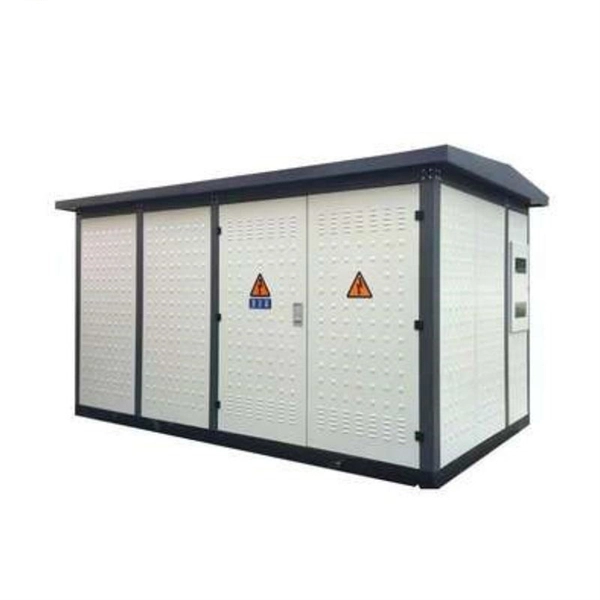
Distribution boxes can have front and rear stages to allow safe access for operation, maintenance, and cable management, with front stages typically for user interaction and rear stages for bus maintenance and cable entry.
Front Stage
The front stage of a distribution box or switchboard is the area accessible to operators and maintenance personnel for routine operation. It typically includes:
- Circuit breakers or fuses: Positioned for easy switching and resetting in case of overloads or faults .
- Control devices and indicators: Such as status lights, meters, or smart monitoring modules in advanced DB boxes .
- Dead front protection: Ensures that live electrical parts are not exposed to the operator, enhancing safety .
- User interface: For residential or commercial panels, the front stage allows interaction without exposing internal busbars or wiring .
Front-access panels are designed for daily operation, inspection, and minor maintenance, making them the primary interface for users and electricians .
Rear Stage
The rear stage is primarily used for installation, bus maintenance, and cable entry/exit. Key features include:
- Busbars and main connections: Rear access allows electricians to connect incoming and outgoing feeders safely .
- Cable management: Incoming utility lines and outgoing circuits are routed through the rear, keeping the front stage uncluttered .
- Maintenance access: Larger overcurrent protective devices (OCPDs) or molded case circuit breakers may require rear access for servicing or replacement .
- Compartmentalization: Some industrial switchboards have rear-access compartments for individually mounted feeders or insulated bus bar extensions, improving safety and isolation .
Combined Front and Rear Access
Certain switchboards are designed with both front and rear access, allowing alignment against walls while still providing full operational and maintenance capabilities. This design is common in industrial or high-capacity installations, where space optimization and safety are critical . Front access is used for routine operation, while rear access is reserved for bus maintenance, cable entry, and major component servicing.
Summary
- Front stage: Operator interface, circuit breakers, indicators, and safe user access.
- Rear stage: Busbars, cable entry/exit, maintenance, and installation access.
- Front and rear accessible switchboards: Combine both stages for flexibility, safety, and space efficiency in commercial and industrial applications .
This staged design ensures safe, organized, and efficient distribution of electrical power while minimizing the risk of accidental contact with live components.