Concealed distribution box nodes are designed for flush installation, secure component housing, and adjustable alignment to ensure safety, accessibility, and aesthetic integration.Structural Design and Components
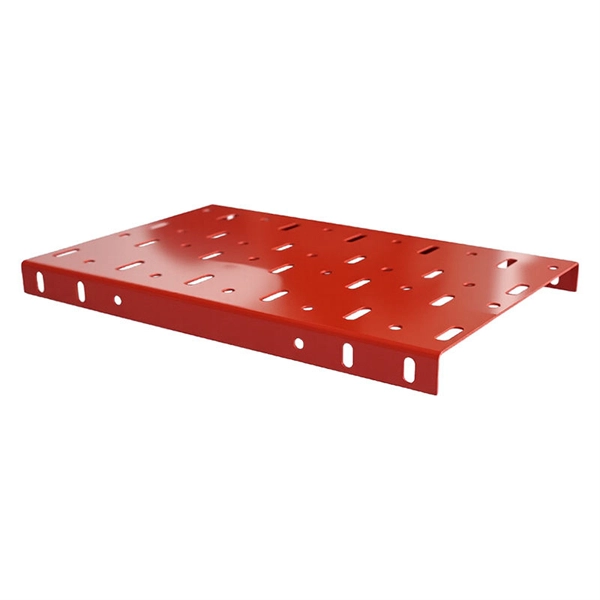
A typical concealed distribution box comprises a housing, miniature circuit breakers (MCBs), cover plate, and internal support panel. The MCBs are mounted on guide rails, which allow for modular installation and easy replacement. Some designs incorporate a three-step support structure with a kidney-shaped or waist-shaped hole, enabling horizontal and vertical adjustment during pre-assembly to correct tilt or depth misalignment, ensuring the MCB handles align properly with the cover plate for a clean appearance and functional accessibility .
Material and Construction
Materials are chosen based on strength, corrosion resistance, and fire safety. Common options include galvanized steel for structural durability or flame-retardant ABS for lightweight, corrosion-resistant applications. The enclosure must meet IP ratings appropriate to the environment, such as IP40 for dry indoor areas or IP54/IP65 for damp or outdoor conditions .
Installation Considerations
Concealed boxes are typically embedded into walls, with the under-casing pre-installed before wall finishing. The outer panel is installed after plastering or wall treatment. Adjustable guide rails and support structures allow installers to fine-tune the horizontal level and depth, reducing material waste and installation errors . For fiber-optic distribution nodes, the box may include splice trays, patch panels, and ports for drop cables, supporting up to 48 connections in some configurations, with IP68-rated options for manhole or outdoor installations .
Functional Features
- Modular internal layout for MCBs, RCDs, or fiber splicing components.
- Changeover switches for seamless switching between power sources (mains, generator, or solar) in electrical applications .
- Cable management with dedicated entry/exit ports and internal routing to prevent tangling or damage.
- Accessibility: Some designs allow internal access without opening the main cover, particularly for fiber nodes .
Compliance and Safety
Designs must comply with regional certifications such as UL (USA), CE (EU), or CQC (China). Proper sizing ensures sufficient space for wiring and components, while certified enclosures guarantee fire safety, electrical insulation, and environmental protection .
Customization and Scalability
Modern concealed distribution boxes are often customizable in size and layout to accommodate project-specific requirements, including industrial, residential, or FTTH network applications. Suppliers may offer pre-configured or fully custom panels, with options for aerial, wall-mounted, or manhole installation, depending on the network or electrical distribution needs . In summary, the design of concealed distribution box nodes balances structural integrity, adjustability, safety compliance, and functional accessibility, ensuring reliable operation while maintaining a clean, flush-mounted appearance. Proper material selection, IP rating, and modular internal layout are critical for both electrical and fiber-optic applications.