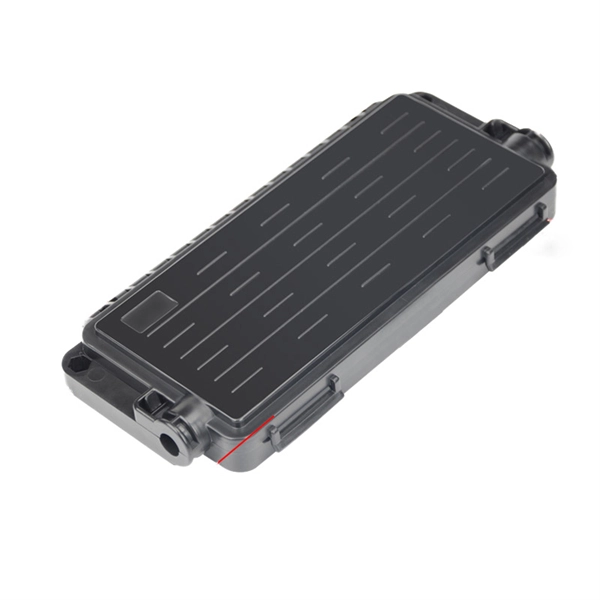
Residential distribution boxes must be selected based on load capacity, protective devices, internal layout, IP rating, and compliance with IEC, BS 7671, or NEC standards to ensure safety, reliability, and future-proofing.Key Selection Criteria
1. Application and Load Requirements Choose a distribution box according to the type of installation (residential, commercial, or industrial) and the expected load. Modern homes often require 200A main panels to accommodate EV chargers, HVAC systems, and smart-home devices, with spare ways for future expansion . 2. Protective Devices Select appropriate protective devices such as MCBs, RCDs, RCBOs, fuses, surge protective devices (SPDs), and isolators. The choice depends on the number of circuits, load type, and fault current capacity . 3. Internal Layout and Wiring Ensure the distribution box has adequate busbar arrangements, neutral and earth bars, DIN rail space, and cable entry points. Proper internal layout prevents installation errors and allows safe maintenance . 4. Enclosure Protection The enclosure should meet the required IP rating for dust and water protection (e.g., IP44 for indoor, IP65/IP67 for outdoor or wet areas). Materials should be UV-resistant, flame-retardant, and capable of withstanding high temperatures . 5. Standards and Compliance
- IEC 61439: Governs low-voltage switchgear and controlgear assemblies.
- IEC 60364 / HD 60364: Covers low-voltage electrical installations in residential premises.
- BS 7671: UK standard aligned with IEC, specifying installation height, clearances, and protection requirements.
- NEC 2026: US standard emphasizing future-proofing, labeling, and safe clearances for modern energy systems . 6. Installation Height and Clearance For residential units, distribution boards should be mounted between 1 m and 1.8 m from the floor, with 1.3 m recommended for elderly or handicapped users. Adequate working space must be provided around the panel for safe operation and maintenance . 7. Future-Proofing Consider extra slots for additional circuits, integration with solar arrays, EV chargers, and smart-home systems. Pre-wired or modular units simplify upgrades and reduce installation errors . 8. Common Mistakes to Avoid
- Selecting a box solely based on the number of ways.
- Ignoring IP rating or environmental conditions.
- Inadequate labeling or insufficient clearance around the panel.
- Using undersized components that can create thermal hotspots .
Recommended Practices
- Use prefabricated rail terminals for secure connections.
- Ensure double insulation and covers for live parts.
- Avoid storing documents or flammable materials inside the box.
- Verify compliance with local codes and manufacturer instructions. By following these standards and selection criteria, residential distribution boxes can provide safe, reliable, and code-compliant electrical distribution, while accommodating modern energy demands and future expansions.