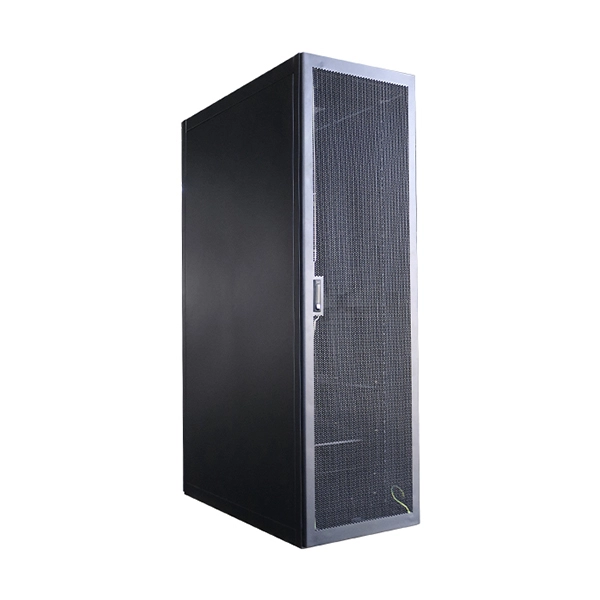
Proper wiring routing in a distribution box ensures safety, organized connections, and reliable electrical distribution.
Key Principles for Wiring Routing
1. Layout and Direction: The main incoming power (phase and neutral) should connect to the main MCB or main switch, typically positioned at the top or left side of the box. Branch circuit wiring generally runs from the main breaker to individual branch breakers on the left side, while outgoing wires to loads exit on the right side for clarity and organization .
2. Protective Devices: Include MCBs, RCCBs, and fuses as required. The main MCB handles the total load, while single-pole or double-pole MCBs protect individual circuits. RCCBs provide protection against leakage currents and electrical shocks, with a typical 30mA rating for domestic installations .
3. Neutral and Earth Connections: Use a neutral link bar to distribute the neutral wire to all branch circuits. Connect all earth wires to a dedicated earth terminal or bus bar. Ensure the distribution box itself is grounded to prevent electric shock .
4. Cable Management: Keep wires neat and organized using plastic ties or cable channels. Maintain uniform spacing and avoid crossing wires unnecessarily. Proper insulation is critical to prevent short circuits or fire hazards .
5. Labeling and Identification: Clearly mark each wire and circuit to indicate its function, voltage level, and destination. This simplifies maintenance and troubleshooting .
6. Safety Checks: After wiring, perform visual inspections and use a multimeter to verify connections, check for short circuits, and ensure no overloads exist. Follow local electrical codes (NEC, IEC, or regional standards) for compliance .
Step-by-Step Wiring Summary
- Turn off the main power supply.
- Securely mount the distribution box at an accessible height (~1.5m) in a dry, ventilated area.
- Connect the incoming live and neutral wires to the main MCB.
- Connect the main MCB output to the RCCB input (if used).
- Connect RCCB output to branch MCBs.
- Route branch wires neatly to their respective MCBs, securing with ties or channels.
- Connect neutral wires to the neutral bus and earth wires to the earth bus.
- Label all circuits and wires.
- Perform safety inspection and multimeter testing before powering on.
Following these practices ensures a safe, organized, and efficient distribution box setup, reducing the risk of electrical hazards and simplifying future maintenance .