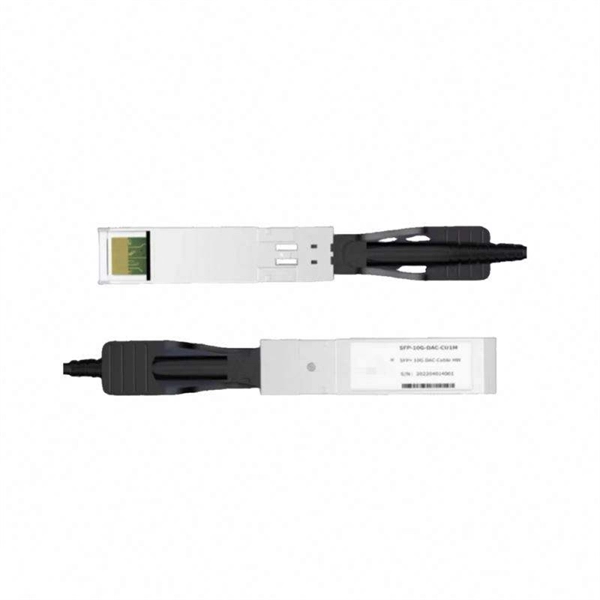
Structured cabling systems are governed by ISO/IEC 11801, EN 50173, and TIA-568 standards, providing globally recognized frameworks for design, installation, and testing of copper and fiber networks.Overview of Key Standards
ISO/IEC 11801 is an international standard that defines generic cabling for customer premises, covering both copper and optical fiber systems. It specifies performance classes, cabling topologies, and link/channel categories suitable for voice, data, and video applications across commercial, industrial, and home networks. The standard supports installations in single buildings or campuses up to 3 km and includes classes such as Class EA (up to 500 MHz using Cat6A) and Class FA (up to 1 GHz using Cat7A) for high-performance copper cabling . EN 50173 is the European structured cabling standard developed by CENELEC. It aligns closely with ISO/IEC 11801 but adapts requirements to European regulatory frameworks, including safety, installation practices, and interoperability across EU markets. EN 50173 is segmented into parts for specific environments, such as offices, data centers, and industrial sites, and ensures compliance with EU building codes and performance benchmarks . TIA-568 (ANSI/TIA/EIA-568-C) is the North American standard for commercial cabling, maintained by the Telecommunications Industry Association (TIA) and approved by ANSI. It provides detailed installation and testing procedures for copper and fiber networks, including patching, labeling, and performance verification. TIA-568 is widely used in enterprise and data center environments and serves as a benchmark for North American deployments .
Key Components and Compliance
Structured cabling standards define:
- Cabling categories: Cat5e, Cat6, Cat6A, Cat7, and fiber types, each with specific performance levels.
- Pathways and topologies: Star, hierarchical, and campus-wide layouts.
- Connectors and terminations: Ensuring interoperability and signal integrity.
- Testing and certification: Using tools like Fluke testers for copper and OTDR for fiber to verify compliance.
- Documentation: Proper labeling, patching schedules, and as-built drawings to facilitate maintenance and scalability .
Practical Implications
Following these standards ensures:
- Scalability: Networks can expand without major redesigns.
- Compliance: Adherence to safety, building codes, and warranty requirements.
- Interoperability: Equipment from multiple vendors can function together.
- Longevity: Infrastructure investments are protected for 15–25 years.
- Global deployment: ISO/IEC provides a universal framework, EN adapts it for Europe, and TIA-568 guides North American installations, allowing multinational projects to maintain consistent quality .
Summary
In practice, structured cabling projects often reference multiple standards simultaneously. ISO/IEC 11801 provides the global framework, EN 50173 ensures European compliance, and TIA-568 offers detailed North American installation guidance. Together, these standards define performance, safety, and testing requirements, enabling reliable, high-performance, and future-proof cabling systems across diverse environments .