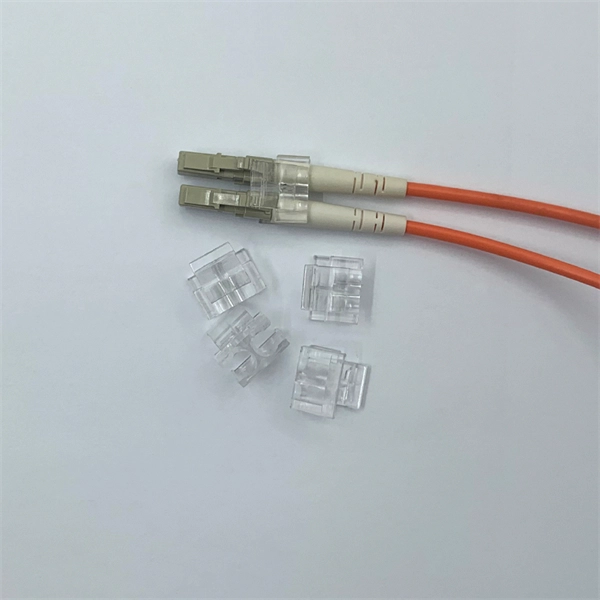
Sealing the incoming line of a distribution box ensures protection against water, dust, and environmental damage, using specialized sealing devices or flexible gaskets.Purpose of Sealing
Sealing the incoming line is critical for outdoor or industrial distribution boxes to prevent moisture, dust, and contaminants from entering the enclosure, which could compromise electrical safety and equipment reliability . Proper sealing also maintains compliance with standards like DIN EN 61439, which requires seamless gaskets for control and distribution cabinets .
Common Sealing Methods1. Cable Glands
Traditional cable glands are threaded devices that secure cables through the distribution box wall. They typically include:
- Gland body: Tubular structure for cable passage
- Locking nut and sealing ring: Compresses around the cable to prevent ingress
- Double-sealing options: For enhanced waterproofing Limitations: On-site installation can be labor-intensive, especially when cable diameters vary. Improper installation may lead to poor sealing and water ingress .
2. Flexible Diaphragm Seals
Modern sealing devices use a flexible diaphragm or soft rubber film clamped between upper and lower covers of a mounting device. Features include:
- Adaptable to multiple cable diameters without field modifications
- No need to drill holes on-site
- Simple structure and low cost
- Clamping mechanism ensures a tight seal around each cable These devices are particularly useful for outdoor distribution boxes where multiple cables of varying sizes enter the enclosure.
3. Seamless Foam or Liquid Gaskets
For control cabinets and powder-coated metal enclosures, two-component polyurethane or silicone foams can be applied:
- Applied along the contour of the cable entry or cabinet opening
- Forms a seamless soft foam gasket after curing
- Protects electronics from moisture, dust, and corrosion
- Suitable for high-volume or automated installations
Installation Considerations
- Ensure the cable diameter matches the sealing device or use adaptable diaphragm seals.
- Verify that the mounting piece or clamp is securely attached to the distribution box.
- For outdoor installations, check that the seal is UV-resistant and weatherproof.
- Maintain proper grounding and insulation while sealing to avoid electrical hazards .
Best Practices
- Use pre-fabricated sealing devices when possible to reduce on-site labor and errors.
- Avoid over-tightening, which can damage cables or the seal.
- Inspect seals periodically for wear, especially in harsh environments.
- Consider double-sealing or additional gaskets for high-risk outdoor locations. By selecting the appropriate sealing method—whether cable glands, flexible diaphragm seals, or seamless foam gaskets—you can ensure long-term protection, safety, and compliance for your distribution box installations .