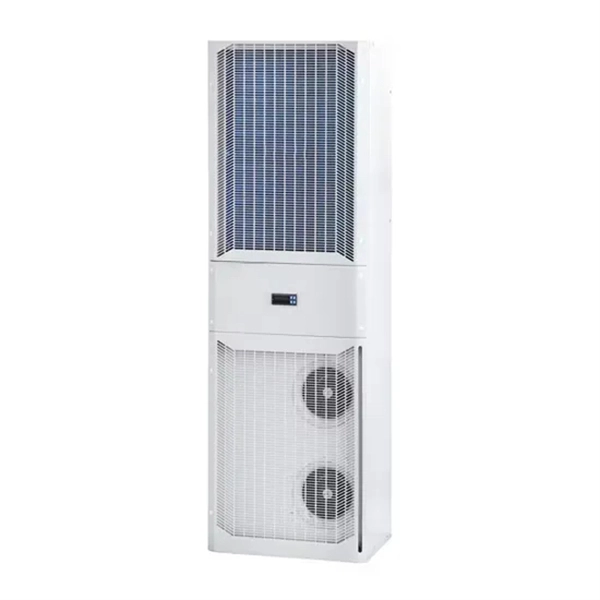
The size of a power distribution box is represented by its physical dimensions, electrical capacity (amperage), number of circuits, and compliance with relevant standards such as NEC or IEC.Physical Dimensions
The physical size of a distribution box is typically expressed in height, width, and depth. Residential breaker boxes often range from 12 to 42 circuits, with standard dimensions depending on the number of breakers and internal components. Industrial or commercial panels may be much larger, sometimes wall-mounted or floor-standing, with high IP ratings for weatherproofing or corrosion resistance . Junction boxes and smaller enclosures are measured in inches or millimeters, with depth chosen to accommodate wiring and devices without overcrowding .
Electrical Capacity
The amperage rating is a key part of representing a distribution box. Common residential panels are rated 100A to 200A, while commercial and industrial panels can reach 600A or higher. The rating indicates the maximum current the panel can safely handle and is often displayed on the panel label .
Number of Circuits
Another important factor is the number of circuits or breaker slots. This determines how many branch circuits the panel can support. For example, a 12-circuit residential panel can accommodate 12 single-pole breakers or a combination of single- and double-pole breakers .
Standards and Compliance
Representation of size should also include compliance with electrical codes. In the U.S., the National Electrical Code (NEC) specifies requirements for box volume, wire fill, and spacing. Internationally, IEC standards may apply. Proper representation ensures safety, prevents overcrowding, and allows for future expansion .
Additional Considerations
- Mounting type: Wall-mounted or floor-standing affects overall dimensions.
- Ingress Protection (IP) rating: Indicates protection against dust and water, important for outdoor or industrial use.
- Internal layout: Space for bus bars, relays, terminal blocks, and other components should be considered when specifying size.
- Future expansion: Panels may be sized larger than current needs to allow for additional circuits or higher loads in the future . By combining physical dimensions, amperage rating, number of circuits, and code compliance, you can accurately represent the size of a power distribution box for design, installation, or documentation purposes.