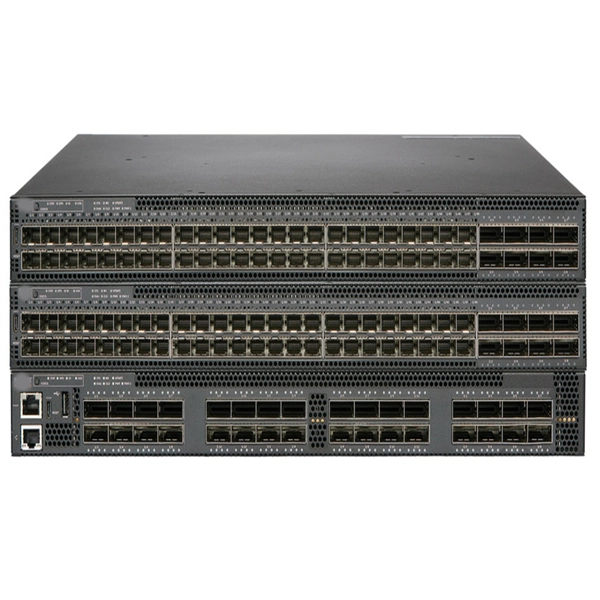
Network and server rack codes refer to standardized practices for organizing, labeling, and wiring racks to ensure efficient, safe, and maintainable network infrastructure.Rack Types and Standards
Network and server racks are designed to house IT equipment in a structured and organized manner. Server racks typically hold computers and uninterruptible power supplies (UPS) and are often 23” deep and 19” wide, while network racks house switches, routers, patch panels, and LAN cabling, usually 19” wide and less deep than server racks . Both types can be floor-standing or wall-mounted, with server racks commonly seen in 42U height for large environments .
Rack Units (U)
Rack units (U) are the standard measurement for vertical space in a rack. 1U equals 1.75 inches (4.45 cm) in height. Equipment is designed in multiples of U (e.g., 1U switches, 2U servers), and the total U count determines the rack's capacity. Proper planning of U allocation is critical for future expansion and airflow management .
Wiring and Cable Management
Correct wiring is essential for performance and maintenance. Best practices include:
- Route cables neatly to avoid overlaps and tangling.
- Label all connections for easy identification.
- Leave 20% of rack space empty for future expansion.
- Use cable management solutions like vertical and horizontal organizers to maintain airflow and reduce heat buildup .
Rack Layout and Documentation
A rack elevation diagram visually represents the placement of servers, switches, storage devices, and PDUs within a rack. It includes details like make, model, serial number, and connectivity, helping IT teams troubleshoot, plan expansions, and maintain equipment efficiently . Tools like PATCHBOX Rack Planner and Visual Paradigm Online allow you to create, edit, and export rack diagrams digitally, ensuring accurate documentation and collaboration .
Rack Types and Placement
- Two-post racks: For lighter equipment like patch panels and switches.
- Four-post racks: For heavier servers and high-density setups.
- Enclosed cabinets: Provide dust protection and controlled airflow.
- Wall-mount racks: Ideal for small spaces or offices .
Key Takeaways
Following network/server rack codes ensures:
- Efficient airflow and cooling
- Simplified maintenance and troubleshooting
- Secure and organized equipment
- Scalable infrastructure for future growth By adhering to these standards and using proper planning tools, IT administrators can maintain a reliable, safe, and well-documented network environment.