RIVO OPTICALSPLICE CLOSURES Technical Inquiry

What types of fiber optic cold connectors are there

Fiber optic cold connectors are mechanical devices that allow quick, non-permanent connections of optical fibers, with common types including SC, LC, ST, FC, and MPO/MTP connectors.Overview of Cold Connectors

Fiber optic cold connectors are designed to align and join optical fibers without splicing, enabling light to pass through with minimal loss while allowing easy disconnection for maintenance or network reconfiguration . They are widely used in telecommunications, data centers, industrial networks, and FTTH deployments. Key performance metrics include insertion loss, return loss, and durability, with high-quality connectors typically supporting over 1,000 mating cycles .

Common Types of Fiber Optic Cold Connectors

1. SC (Subscriber Connector)

  • Square-shaped with a push-pull latching system.
  • Ferrule diameter: 2.5 mm, usually ceramic.
  • Polishing options: UPC (flat) and APC (angled, 8°) for low reflection.
  • Applications: FTTH, telecom backbone, and PON systems where low return loss is critical . 2. LC (Lucent Connector)
  • Miniaturized version of SC with a 1.25 mm ferrule.
  • Uses a latch mechanism similar to RJ45 plugs.
  • Ideal for high-density applications in data centers and duplex/simplex configurations.
  • Compatible with both single-mode and multimode fibers . 3. ST (Straight Tip)
  • Bayonet-style twist-lock mechanism.
  • Ferrule diameter: 2.5 mm.
  • Primarily used in legacy systems, industrial, and military networks.
  • Known for robust mechanical connections but less common in modern networks . 4. FC (Ferrule Connector)
  • Threaded coupling for secure connections in high-vibration environments.
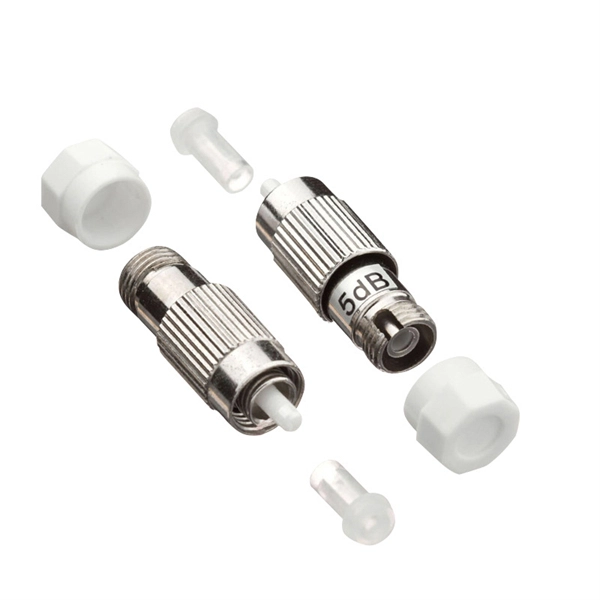
  • Ferrule diameter: 2.5 mm, precision ceramic.
  • Applications: factories, railway networks, aviation, DWDM systems, and RF-over-fiber setups.
  • Offers high-precision alignment and low signal loss . 5. MPO/MTP (Multi-Fiber Push On / Multi-Fiber Termination Push-On)
  • Multi-fiber connectors capable of connecting up to 24 fibers in a single ferrule.
  • Uses metal guide pins for precise alignment.
  • Ideal for high-density, high-bandwidth applications in data centers and industrial environments.
  • Compatible with single-mode and multimode fibers, often used with ribbon cables .
Key Considerations
  • Single-mode vs Multimode: Connector choice depends on fiber type, core size, and bandwidth requirements.
  • Insertion Loss & Return Loss: Critical for maintaining signal quality; APC connectors provide the lowest reflection.
  • Mechanical Coupling: Push-pull, twist-lock, or threaded mechanisms affect durability and vibration resistance.
  • Density & Space: LC and MPO/MTP connectors are preferred for high-density patch panels and cabinets . Fiber optic cold connectors provide flexibility, ease of maintenance, and high-performance connectivity, making them essential for modern optical networks. Choosing the right type ensures optimal signal integrity, compatibility, and long-term reliability.
What types of fiber optic cold connectors are there

Fiber Fast Connector Buying Guide: SC/APC Cold Connector Types

What Is a Fiber Fast Connector? A fiber fast connector, also known as a mechanical splice or cold connector, is a field

Fiber Optic Patch Cables: FC, SC, ST & LC Connector Guide 2026

Not sure which fiber optic patch cable to buy? This practical guide breaks down FC, SC, ST, and LC connectors—with

Types Of Fiber Optic Connectors: LC, SC, ST, FC, MPO,MTP

What Do the Four Main types of fiber optic connectors Look Like? The four main types of fiber optic connectors are LC, SC, ST, and

Fiber Fast Connector Buying Guide: SC/APC Cold Connector Types

A fiber fast connector, also known as a mechanical splice or cold connector, is a field-installable connector that

Types Of Fiber Optic Connectors: LC, SC, ST, FC, MPO,MTP

Fiber optic connectors are the essential components that terminate the ends of optical fibers, enabling fast, reliable, and low-loss

Two Types of Fiber Optic Termination: Connector and Splicing

Using connector or splicing to terminate fiber optic cables are the two main ways for fiber cross-connection and

Fiber Optic Connectors: Detailed Guide to Types and Uses

In this guide, you''ll explore various types of fiber optic cable connectors, each with unique features and best uses. Knowing what

16 Types of Fiber Optic Connectors to Choose From | Home

Remateable connections are made possible by Fiber Connectors. Fiber Connectors are therefore generally used where flexibility is

Fiber Optic Connector Types Explained | FiberCablesDirect

Fiber optic connectors are an essential component of any fiber optic network, allowing for the connection and transmission of optical

Fiber Optic Connector Types | Radiall

Simply put, a fiber optic connector works in conjunction with optical fibers to transmit information via light. These connectors

What is Fiber Cold Splice?

The fiber quick splicing connector has two types: straight-through (fiber not pre-embedded) and fiber pre-embedded. Pre-embedded

Fiber Connector Types: A Complete Guide (2024)

What is a Fiber Connector? The fiber connector is called a fiber optic or optical fiber connector. It is a precise coupling

Fiber Optic Connector Types: LC vs SC vs MPO Guide

A fiber optic connector is a mechanical interface used to align and connect optical fibers for signal transmission. Its

Fiber Optic Connector Types Fully Explained | FiberMania OEM

Explore detailed fiber optic connector types. Learn their features, appearances, capabilities, with images to help you

Related Video Reference

This video was associated with the source search result. Verify technical details against current product documentation and project requirements.

Technical note

This reference is intended for preliminary fiber optic splice closure research. Compatibility, splice capacity, sealing class, tray layout, protection sleeves, installation methods, test limits and applicable standards must be verified for the specific project.

Still Have a Technical Question?

Use the inquiry form to describe a closure requirement, splice capacity or cable jointing question.

Start an Inquiry