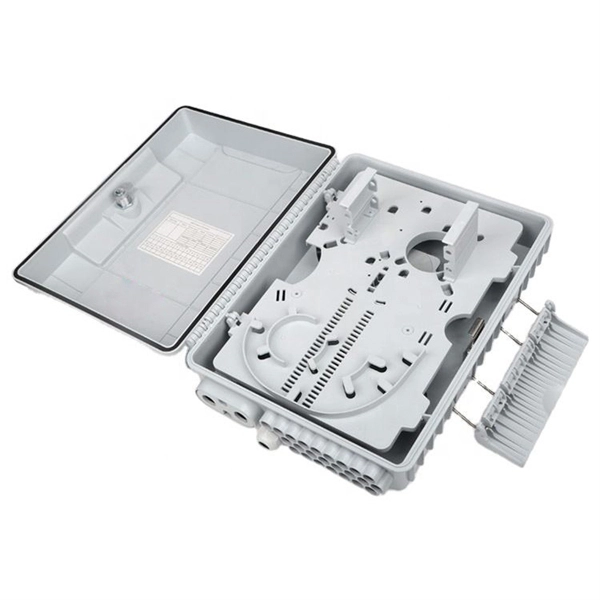
Wiring branch circuits in a distribution box involves careful preparation, proper breaker arrangement, correct wire connections, and thorough safety checks to ensure a safe and functional electrical system.1. Material Preparation
Prepare all necessary materials including circuit breakers, wires, wiring ties, and tools. Ensure that wire sizes match the load requirements: typically 2.5mm² for lighting and sockets, and 2.5–4.0mm² for air conditioning circuits. Verify that all components comply with design drawings and installation standards .
2. Determine Installation Location
Identify the positions for each circuit breaker according to the distribution box layout. Arrange breakers from left to right, reserving space for future expansion on the right side of the box .
3. Wire Color Coding
Use standard color codes for conductors: blue for neutral, yellow for phase A, green for phase B, and red for phase C. Ensure consistency to avoid confusion and maintain safety .
4. Wiring Connections
- Connect the incoming power to the main breaker or isolator.
- Use busbars to distribute power efficiently to branch breakers. Comb busbars are preferred for safety and neatness .
- Connect each branch circuit breaker to its respective load using the correct wire gauge. For 120V circuits, a single-pole breaker connects one hot busbar to neutral; for 240V circuits, a two-pole breaker connects to both hot busbars .
- Ensure the neutral conductors connect to the neutral bar and grounding conductors to the earth/ground bar .
5. Wiring Direction and Organization
Route wiring neatly: main circuit connections typically go on the left, and outgoing branch circuits on the right. Use plastic ties to bind wires, keeping them straight and evenly spaced .
6. Power Supply Marking
Clearly label AC, DC, or different voltage levels within the distribution box to prevent confusion during maintenance or troubleshooting .
7. Safety Inspection
After completing the wiring, perform a thorough safety inspection. Check for short circuits, proper grounding, correct breaker ratings, and ensure no wires are loose or damaged. Verify that all connections comply with local electrical codes and standards .
8. Final Testing
Switch on the main breaker and test each branch circuit individually. Confirm that all outlets, lights, and appliances receive power correctly and that protective devices like RCDs or fuses operate as intended . Following these steps ensures a safe, organized, and code-compliant distribution box installation suitable for residential or commercial applications.