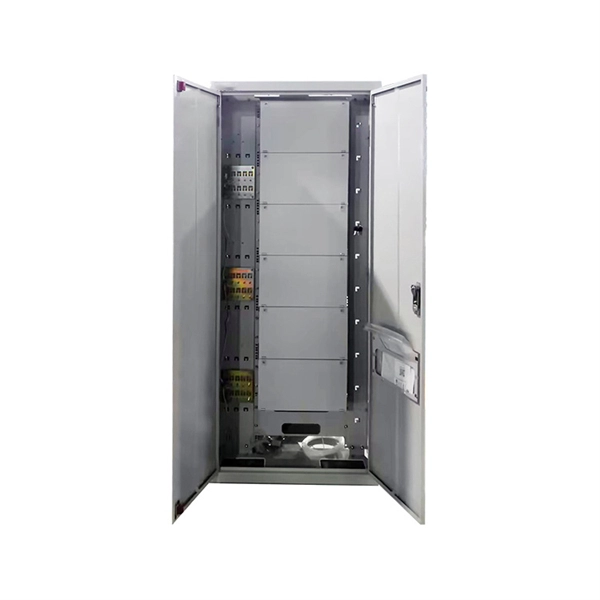
Fire protection grounding and lighting distribution boxes ensure electrical safety and maintain critical systems during fire events, with fire resistance ratings from 30 to 90 minutes and compliance with DIN 4102 and IEC standards.Purpose and Function
Fire protection boxes are designed to maintain electrical functionality during a fire, ensuring that emergency lighting, fire alarms, smoke extraction systems, and other critical circuits continue to operate. They prevent short circuits and the spread of fire through electrical systems, providing safe evacuation routes and operational safety in high-risk environments such as hospitals, schools, tunnels, and industrial facilities .
Fire Resistance and Standards
These boxes are tested and certified according to DIN 4102-12 and IEC 60331-1, with fire resistance classes such as E30, E60, and E90, indicating the duration (in minutes) that the box can maintain electrical functionality under fire conditions . Some products, like Spelsberg WKE boxes, offer intrinsic fire resistance using high-performance, non-conductive materials such as polycarbonate, which prevents short circuits during a fire . ABB and Palazzoli also provide enclosures with classifications like I30/I90 and F30/F90, ensuring both interior and exterior fire protection .
Materials and Construction
Fire-resistant boxes are typically made from halogen-free technopolymer, steel, or high-quality polycarbonate, providing heat and impact resistance. They often feature ceramic terminals, fuse holders, and signal blocks for safe connections . IP66/IP67 protection ensures dust-tightness and water resistance, making them suitable for both indoor and outdoor installations .
Grounding and Electrical Safety
Proper grounding is essential to prevent electrical hazards. Fire protection boxes include pre-installed grounding points and allow for secure connection of protective earth conductors. Non-conductive materials in the box reduce the risk of short circuits during high temperatures . Mounting rails and pre-punched knock-out membranes facilitate organized wiring and safe installation of terminals, fuses, and connectors .
Types and Applications
- Junction Boxes: Centralize connections for emergency lighting and power circuits, maintaining functionality during fire events .
- Distribution Boards: Surface-mounted or flush-mounted boards distribute power safely to multiple circuits, often with fire-resistant enclosures .
- Marshalling Boxes: Organize and protect lighting and power connections, ideal for industrial, commercial, and residential applications .
Installation Features
Fire protection boxes are designed for easy installation, with adjustable base carriers, rotating lugs, and optional cover retainers. They allow for flexible wiring layouts and secure mounting, ensuring compliance with safety regulations while maintaining accessibility for maintenance .
Key Takeaways
- Fire protection boxes ensure continuity of critical electrical systems during fire events.
- They are certified to DIN 4102 and IEC standards, with fire resistance from 30 to 90 minutes.
- Constructed from fire-resistant, non-conductive materials, they prevent short circuits and support grounding.
- Suitable for emergency lighting, smoke extraction, and power distribution, with IP66/IP67 protection for outdoor use.
- Available in junction, distribution, and marshalling box formats for versatile applications . These features make fire protection grounding and lighting distribution boxes essential for safety-critical electrical installations in buildings and infrastructure.