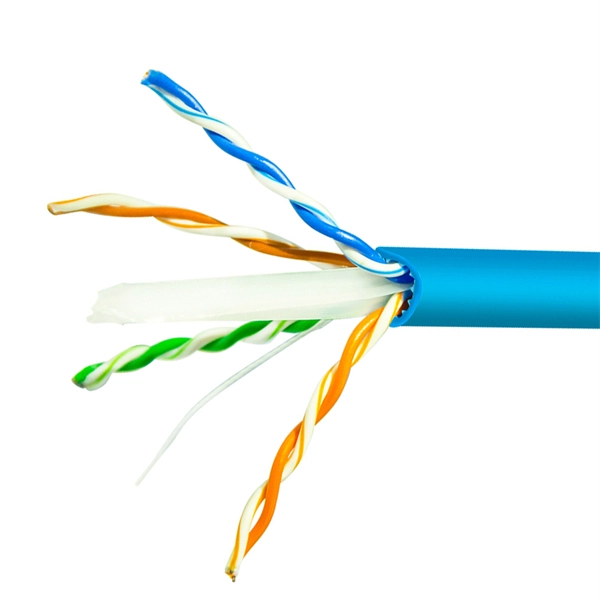
220V solar-powered communication systems enable resilient, off-grid connectivity for smart buildings, integrating PV energy, battery storage, and advanced communication technologies.Overview
A 220V solar-powered communication system for smart buildings combines photovoltaic (PV) energy generation, energy storage, and communication infrastructure to ensure continuous operation of building automation, monitoring, and control systems. These systems are particularly valuable for off-grid operation, emergency resilience, and energy-efficient smart building management .
Key Components
- Solar PV Panels and Inverters Solar panels generate DC electricity, which is converted to 220V AC using inverters. Modern inverters often include communication capabilities to monitor PV performance, detect faults, and integrate with building energy management systems .
- Battery Storage Batteries store excess solar energy to maintain communication systems during grid outages or low sunlight periods, ensuring uninterrupted operation of critical devices like routers, gateways, and emergency communication hubs .
- Communication Gateways and Devices Smart buildings use wireless or power line communication (PLC) devices to connect inverters, sensors, and energy management systems. PLC allows data transmission over existing AC wiring, supporting monitoring and control without additional cabling . Wireless gateways can integrate with cellular networks or local mesh networks for remote monitoring .
- Redundant Communication Methods For resilience, systems often combine radio, satellite, and cellular communication to maintain connectivity during emergencies or grid failures . This ensures that smart building systems, including HVAC, lighting, and security, remain operational.
Integration with Smart Buildings
Smart buildings leverage solar-powered communication systems to:
- Optimize energy usage by coordinating PV generation, battery storage, and load management .
- Enable demand response and grid interaction through smart meters and dedicated measurement devices (DMDs) for real-time energy data .
- Support high PV penetration by providing last-mile communication between distributed PV systems and utility control networks .
- Enhance resilience during power outages or extreme weather events, maintaining critical communication and building automation functions .
Technical Considerations
- Power Line Communication (PLC): Narrowband PLC is suitable for long-distance communication between PV panels and inverters, while broadband PLC offers higher data rates for local networks .
- Modulation Techniques: On-Off Keying (OOK), Frequency-Shift Keying (FSK), and Orthogonal Frequency Division Multiplexing (OFDM) are commonly used to encode data over AC lines .
- Cybersecurity: Onsite gateways should be cyber-secured to protect building energy and communication infrastructure .
- Energy Storage Sizing: Batteries must be sized to support continuous operation of communication devices during extended periods without sunlight .
Applications
- Emergency Communication Hubs: Maintain connectivity during natural disasters or grid failures .
- Industrial Smart Buildings: Enable real-time monitoring of equipment, environmental conditions, and safety protocols .
- Residential Smart Buildings: Integrate PV, battery storage, and home energy management systems for cost savings and grid flexibility .
Conclusion
A 220V solar-powered communication system is a robust solution for smart buildings, combining renewable energy, energy storage, and advanced communication technologies. It ensures resilient, off-grid operation, supports high PV penetration, and enables efficient energy management, making it a critical component of modern smart building infrastructure .