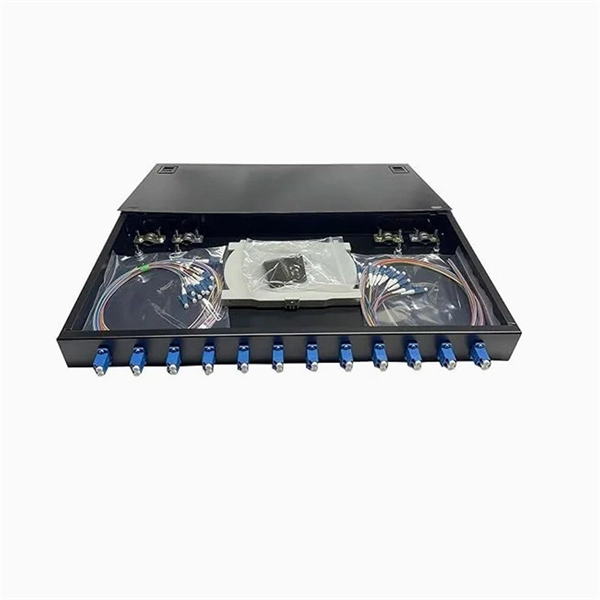
Industrial switches are essential devices that control electrical signals, monitor processes, and connect equipment in automated and harsh industrial environments.Core Functions
Industrial switches serve as control points for electrical circuits, enabling devices or systems to turn ON or OFF. They provide binary signals (ON/OFF) to programmable logic controllers (PLCs) or other control systems, which then execute automated logic, trigger alarms, or adjust operations based on the switch status . They are fundamental in maintaining system safety, efficiency, and real-time monitoring in industrial processes .
Common Types and Their Uses
- Button Switches: Simple and fast, used to start or stop machines or trigger specific actions in production lines .
- Limit Switches: Detect the position of moving parts, prevent over-travel, and signal PLCs to stop or adjust machinery .
- Proximity Switches: Detect nearby objects without physical contact, reducing wear and tear, ideal for high-speed or sensitive operations .
- Pressure Switches: Monitor and control fluid or gas pressure, commonly used in oil, gas, water management, and hydraulic systems .
- Temperature Switches: Activate or deactivate systems when a specific temperature is reached, used in heating, cooling, and process control .
- Photoelectric Switches: Detect objects or changes in light, often used in automated material handling and safety systems .
- Level Switches: Monitor liquid or solid levels in tanks and silos, ensuring proper filling, emptying, or safety thresholds .
Applications in Industrial Automation
Industrial switches are integral to automation systems, connecting sensors, actuators, and PLCs to enable precise control of machinery and processes . For example, a limit switch can signal a PLC that a machine has reached the end of its movement, prompting it to stop operations. Pressure and temperature switches help maintain safe operating conditions by triggering alarms or shutting down equipment when thresholds are exceeded .
Network and Communication Functions
Advanced industrial switches also function as networking devices, connecting machines and IoT-enabled devices to industrial networks. Layer 2, 3, and 4 switches manage data flow, support VLANs, prioritize traffic, and ensure reliable communication in large-scale industrial networks . Features like Power over Ethernet (PoE), redundancy, and support for industrial protocols (e.g., EtherNet/IP, Modbus TCP) enhance connectivity and uptime .
Environmental and Operational Advantages
Industrial switches are designed to withstand harsh conditions, including extreme temperatures, vibration, dust, and moisture, ensuring uninterrupted operation . They provide deterministic performance, prioritize critical traffic, and incorporate cybersecurity measures to protect industrial networks . Their rugged design and flexible connectivity make them indispensable in modern manufacturing, robotics, and automated production lines. In summary, industrial switches are multi-functional devices that enable control, monitoring, and communication in industrial environments, supporting both automation and safety while ensuring reliable operation under challenging conditions .