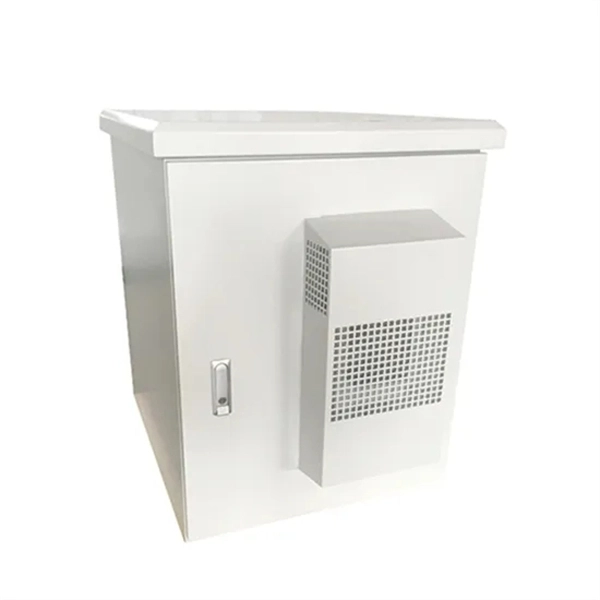
Outdoor distribution boxes must meet NEC Article 312, UL 50/50E, and IP/NEMA waterproofing standards to ensure safe, reliable operation in wet and harsh environments.Key Standards and Codes
NEC Article 312 specifies that outdoor distribution boxes installed in wet locations must have rain-tight enclosures to prevent water ingress and accumulation inside the cabinet, cutout box, or meter socket enclosure. The minimum acceptable NEMA rating for exposed outdoor boxes is NEMA 3R, with upgrades to NEMA 4X recommended for coastal, chemical, or high-pressure wash environments . NEC also requires proper installation, including setback limits and adequate bending space for conductors . UL 50/50E standards define environmental ratings for enclosures, ensuring resistance to moisture, dust, and mechanical impacts. Compliance guarantees long-term electrical safety and operational reliability in outdoor conditions . IP Ratings (Ingress Protection) are widely used internationally to measure dust and water resistance. Common ratings for outdoor distribution boxes include IP65, IP66, and IP67, providing protection against dust, low-pressure water jets, and temporary immersion, respectively .
Design and Material Requirements
- Sealing and Insulation: High-precision sealing prevents rainwater, humid air, dust, corrosive gases, and salt fog from entering the box. Insulation design isolates live parts from the external shell, preventing electric leakage, short circuits, and arc faults .
- Materials: Boxes must be made of corrosion-resistant metals (stainless steel, aluminum) or durable plastics suitable for UV exposure and moisture .
- Structural Features: Reinforced door frames with inclined water drainage prevent water accumulation and capillary infiltration at door gaps .
- Temperature Range: Equipment should operate reliably across extreme temperatures, typically -40°C to +70°C .
Installation and Testing
- Waterproofing Measures: Include proper sealing of cable inlets/outlets, conduits, and junction points, as well as drainage for cable trenches and mezzanines in substations .
- Factory Testing: Insulation resistance, AC voltage withstand, high/low temperature aging, and load operation tests ensure long-term performance .
- Explosion-Proof Considerations: In flammable or explosive environments, explosion-proof boxes and treatments are required .
Practical Implications
Adhering to these standards ensures reliable outdoor power distribution, reduces maintenance costs, prevents corrosion and insulation aging, and minimizes the risk of electrical fires. Properly rated and installed waterproof distribution boxes are essential for urban grids, industrial parks, and construction sites exposed to harsh environmental conditions .