Wireless remote monitoring generally offers greater flexibility, lower installation cost, and faster deployment compared to corrugated conduit (hardwired) systems, while OEM remote monitoring differs from remote service in control capabilities.Hardwired (Corrugated Conduit) Systems
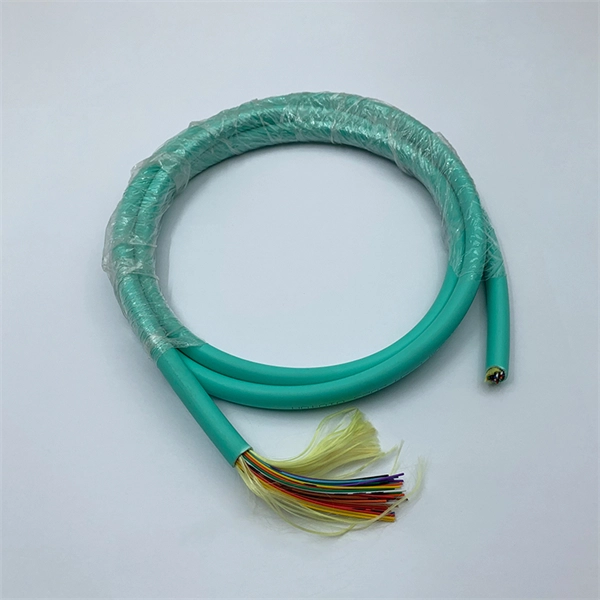
Hardwired systems use physical cables routed through conduits to connect sensors and devices to a central monitoring system. They are traditionally considered reliable for deterministic or real-time control applications, such as high-speed measurements or integration with control platforms like NI CompactDAQ or CompactRIO . Advantages:
- High reliability and deterministic communication
- Suitable for high-frequency data acquisition
- Direct integration with control systems Limitations:
- High installation cost due to conduit, cabling, and labor
- Time-consuming deployment, often requiring scaffolding or trenching
- Vulnerable to environmental hazards (mud, water, ash, rugged terrain)
- Less flexible for retrofitting or expanding monitoring points
Wireless Systems
Wireless monitoring uses radio links or industrial wireless protocols (e.g., Zigbee, WirelessHART, LoRaWAN, Wi-Fi, Bluetooth Low Energy) to transmit sensor data without extensive cabling . Advantages:
- Rapid deployment, often in a single day
- Lower installation and material costs (no copper wiring or conduit)
- Safer in hazardous or difficult-to-access areas
- Flexible and scalable for adding new sensors or monitoring points
- Modern wireless devices meet Class I, Division 1 safety standards Limitations:
- Potential interference or signal degradation in complex industrial environments
- Bandwidth and range limitations depending on protocol and frequency
- Requires careful planning for cybersecurity and compliance (e.g., IEC 62443 for SCADA telemetry),
OEM Remote Monitoring vs Remote Service
Remote monitoring involves the OEM receiving sensor data on a dashboard for visibility only, allowing them to track performance and detect anomalies . Remote service, on the other hand, is bidirectional, enabling OEM engineers to log in, adjust settings, push firmware updates, or troubleshoot in real time. While many vendors bundle both, the distinction affects:
- Downtime response
- Security posture
- Annual service costs For example, a packaging line stoppage can be diagnosed remotely if the OEM has service access, reducing travel and scheduling delays .
Key Considerations for Choosing Between Hardwired and Wireless
- Installation Environment: Wireless is preferable in rugged, remote, or hazardous areas.
- Data Requirements: Hardwired may be necessary for high-speed, deterministic data.
- Cost and Time: Wireless reduces material, labor, and permitting costs.
- Flexibility: Wireless allows easier expansion and retrofitting.
- Security and Compliance: Both systems require proper cybersecurity measures, but wireless systems need additional attention to encryption and protocol compliance . Conclusion: For most modern industrial remote monitoring applications, wireless systems provide superior flexibility, cost efficiency, and safety, while hardwired systems remain relevant for high-speed or control-critical applications. Understanding the distinction between OEM remote monitoring and remote service is essential for optimizing operational efficiency and security.