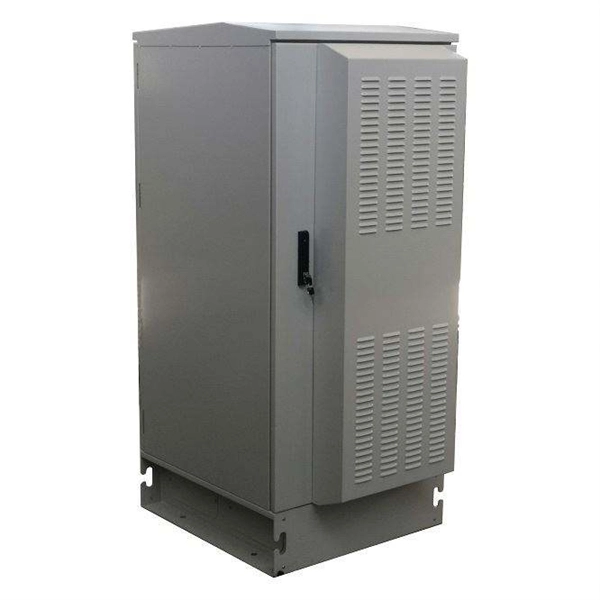
A secondary distribution box is qualified if it meets visual, electrical, and regulatory standards, passes required tests, and has certified components.Visual and Structural Inspection
Start by examining the appearance and construction of the distribution box. Ensure the enclosure is undamaged, clean, and properly labeled, with all components securely mounted and wiring neatly arranged. Check that the creepage distances and electrical clearances meet safety requirements, and that grounding connections are continuous and reliable. Components such as breakers, busbars, and terminal blocks should be positioned for convenient operation and maintenance .
Component Certification and Documentation
Verify that all internal components have certificates of conformity, operation manuals, and factory test reports. The distribution box should include a complete system diagram, including control schematics and wiring diagrams. Proper documentation ensures traceability and compliance with standards .
Electrical Testing
Qualified distribution boxes must pass critical electrical tests:
- Temperature rise testing: Confirms the box operates safely under full load without overheating, typically conducted at maximum rated current for several hours .
- Dielectric strength and insulation resistance testing: Ensures electrical isolation between circuits and from live parts to the enclosure, often at 1.5–2 times the rated voltage .
- Short-circuit withstand testing: Verifies the box can safely handle fault currents without structural failure .
- IP/NEMA rating verification: Confirms protection against dust and water ingress, especially for outdoor or industrial installations .
Compliance with Standards
Check that the distribution box complies with regional and international standards, such as:
- IEC 61439 for low-voltage assemblies
- UL 50/508A in North America
- EN 61439 in Europe
- GB 7251 in China Compliance ensures the box meets electrical safety, thermal performance, and mechanical integrity requirements .
Installation and Maintenance Considerations
Ensure the box is installed in a dry, accessible location with proper ventilation and at an appropriate height. Verify that circuit protection devices (breakers, fuses, surge protectors) are correctly rated and installed. Regular inspection and maintenance are essential to maintain long-term reliability .
Summary
A secondary distribution box is qualified when it:
- Passes visual and structural inspections.
- Contains certified components with complete documentation.
- Successfully completes electrical safety and performance tests.
- Complies with relevant standards and codes.
- Is properly installed and maintained for safe operation. Following these steps ensures the distribution box is safe, reliable, and legally compliant.