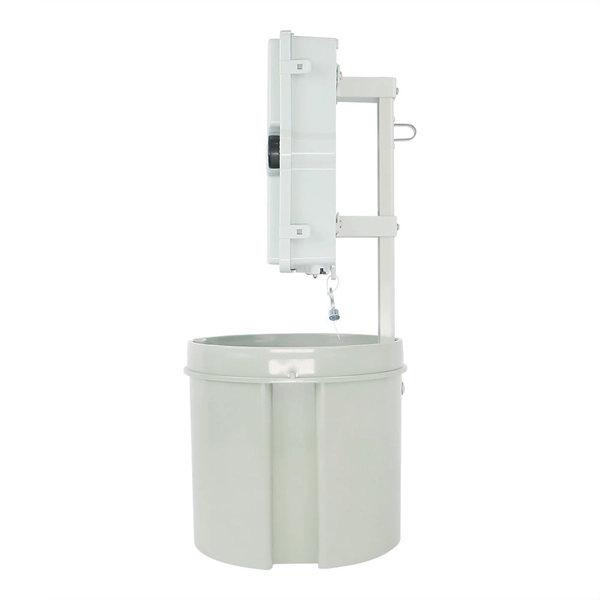
Proper installation of a power distribution box requires compliance with safety standards, correct placement, secure wiring, protective devices, and regular maintenance.Placement and Accessibility
Distribution boxes should be installed in dry, well-ventilated, and easily accessible areas, typically around 1.5 meters above the ground for residential setups, while industrial installations may vary depending on surrounding equipment . Avoid locations near water, flammable, explosive, or corrosive substances. Outdoor installations require waterproof enclosures and may benefit from rain covers, cooling fans, or dehumidifiers . Ensure sufficient space around the box for ventilation and maintenance.
Enclosure and Material
Choose an enclosure with an appropriate IP or NEMA rating to protect against dust, water, and mechanical damage . Materials can be steel for durability in harsh environments or plastic for lighter indoor applications. The enclosure should include DIN rails, cable entry points, and modular design options to facilitate installation and future upgrades .
Wiring and Electrical Safety
- Use proper wire gauge and breaker sizes according to load requirements .
- Ensure secure grounding and earthing to protect personnel and equipment from electrical faults .
- Maintain neat cable management and proper insulation to prevent short circuits and fire hazards .
- Include circuit breakers, fuses, surge protectors, and RCDs/RCBOs for each circuit .
- Perform visual inspections and multimeter tests before powering on .
Compliance with Standards
Follow relevant standards such as NEC, IEC 61439, and local electrical codes . Key requirements include:
- Dead-front design to prevent accidental contact with live parts .
- Arc flash hazard analysis and proper PPE for maintenance .
- Voltage and current ratings to prevent overheating and equipment failure .
- Labeling of circuits, hazards, and operating procedures for safety and clarity .
Maintenance and Inspection
Schedule regular inspections and maintenance to ensure long-term reliability . Check for:
- Loose connections or damaged insulation
- Proper operation of protective devices
- Signs of overheating or corrosion
Planning and Expansion
Plan for future expansion by leaving 20–30% extra space in the box . Consider special requirements for photovoltaic systems, heat pumps, or smart home integration. Modular designs simplify upgrades and maintenance . By following these rules, a power distribution box can be installed safely, efficiently, and in compliance with regulatory standards, ensuring reliable operation and protection for both people and equipment.