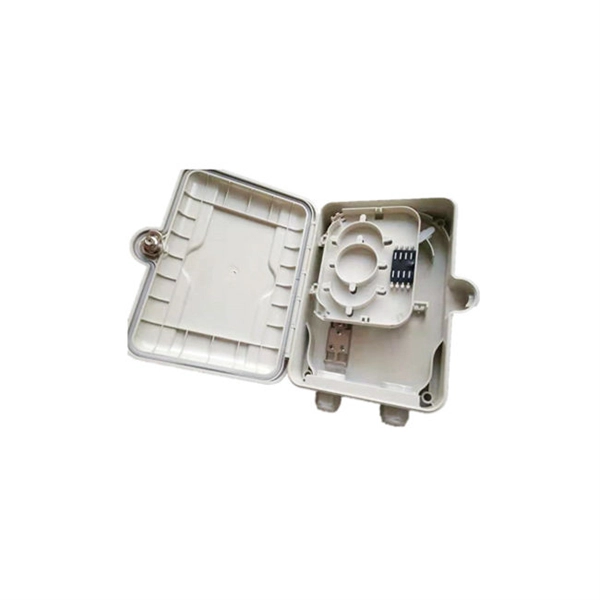
RIVO OPTICALSPLICE CLOSURES Technical Inquiry

Network Structured Cabling System

Structured cabling is a standardized approach to designing and installing a telecommunications infrastructure that supports data, voice, and video transmission across a network.What is Structured Cabling?

Structured cabling refers to a comprehensive system of cables, connectors, and related hardware that provides a reliable and organized method for transmitting signals throughout a building or campus. Unlike traditional point-to-point wiring, which can lead to a chaotic setup, structured cabling uses a hierarchical design that segments the infrastructure into manageable subsystems .

Key Components of Structured Cabling
  1. Entrance Facilities (EF): The point where external cabling enters the building.
  2. Equipment Room (ER): Houses core network components like servers and switches.
  3. Backbone Cabling: Connects entrance facilities, equipment rooms, and telecommunications closets, often spanning multiple floors or buildings.
  4. Telecommunications Room (TR): Contains patch panels and cross-connects for horizontal and backbone cabling.
  5. Horizontal Cabling: Connects telecommunications rooms to individual work areas, including cables, jacks, and connectors.
  6. Work Area Components: Include outlets, patch cords, and devices at user endpoints (e.g., PCs, phones, printers) .
Benefits of Structured Cabling
  • Scalability: Structured cabling systems are designed to accommodate future growth and changes in technology, making it easier to add or relocate devices without major disruptions.
  • Efficiency: The organized nature of structured cabling simplifies troubleshooting and maintenance, reducing downtime and operational costs .
  • Standardization: Adhering to industry standards (such as ANSI/TIA-568) ensures interoperability and predictable performance across different systems and devices .
  • Future-Proofing: A well-designed structured cabling system can support various applications, including Ethernet, fiber optics, and wireless technologies, allowing for easy integration of new technologies as they emerge .
Conclusion

Structured cabling is essential for modern networking, providing a solid foundation for efficient communication and data transmission. By implementing a structured cabling system, organizations can ensure their network infrastructure is reliable, scalable, and capable of adapting to future technological advancements.

Network Structured Cabling System

Structured Cabling – TIA-568, Cable Categories, Horizontal

Rather than running individual cables point-to-point between devices — an approach that becomes unmanageable as networks grow

INTRODUCTION TO STRUCTURED CABLING

The structured cable is the only one that needs to be installed to contend with the needs of telephone and data communications now

Related Video Reference

This video was associated with the source search result. Verify technical details against current product documentation and project requirements.

Technical note

This reference is intended for preliminary fiber optic splice closure research. Compatibility, splice capacity, sealing class, tray layout, protection sleeves, installation methods, test limits and applicable standards must be verified for the specific project.

Still Have a Technical Question?

Use the inquiry form to describe a closure requirement, splice capacity or cable jointing question.

Start an Inquiry