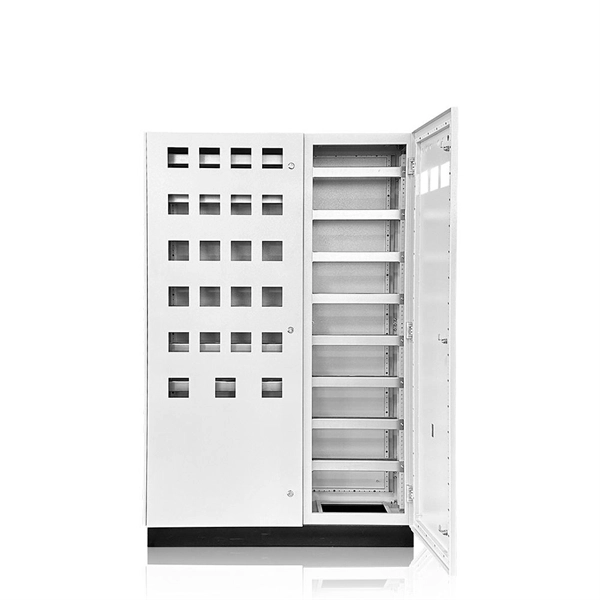
Selecting the right plastic distribution box involves evaluating material quality, protection level, size, certifications, and environmental suitability to ensure safety and durability.Key Factors to Consider
1. Material Quality Choose boxes made from high-grade, impact-resistant plastics such as polycarbonate (PC), ABS, or environmentally friendly PP. These materials offer excellent resistance to heat, moisture, chemicals, and corrosion, making them suitable for indoor and outdoor applications . For residential or office use, PP material meeting E0-level environmental standards is sufficient, while industrial or outdoor setups may require more robust plastics with UV and flame resistance . 2. Protection Level (IP Rating) The IP (Ingress Protection) rating indicates dust and water resistance. Select the rating based on the installation environment:
- Dry indoor areas: IP40 is usually adequate.
- Humid areas (kitchens, bathrooms): IP54 or higher is recommended, often with sealing strips to prevent moisture ingress.
- Outdoor or wading scenarios: IP65 or above ensures protection against rain and short-term water exposure . 3. Size and Capacity Assess the number of circuits, amperage requirements, and space for future expansion. The box should accommodate all necessary components like MCBs, RCBOs, and switches without overcrowding, ensuring safe and efficient wiring . 4. Certifications and Safety Standards Ensure the box complies with relevant safety standards such as UL, CE, or local electrical codes. Certified boxes provide assurance of insulation quality, fire resistance, and overall electrical safety . 5. Installation and Maintenance Plastic boxes are lightweight, corrosion-resistant, and easier to install than metal alternatives. Look for modular designs or snap-on covers for easy customization and maintenance . Consider mounting options (surface or flush) to match your installation requirements. 6. Environmental Considerations Plastic boxes excel in environments with moisture, humidity, or corrosive substances, such as coastal areas or chemical plants, because they resist rust and corrosion better than metal . For high-temperature or heavy-duty industrial settings, metal boxes may be preferable due to superior heat resistance and mechanical strength. 7. Cost and Longevity Plastic distribution boxes are generally more cost-effective upfront and easier to maintain, making them ideal for residential or light commercial use. High-quality plastics can provide long-term reliability, though metal boxes may offer longer lifespan in extreme conditions .
Summary
When choosing a plastic distribution box, focus on material durability, IP rating, size, certifications, and environmental suitability. For indoor, residential, or humid environments, high-grade plastic boxes with appropriate IP ratings are ideal. For outdoor or corrosive conditions, select boxes with higher protection levels and UV or flame resistance. Always ensure compliance with safety standards and consider future expansion to maintain a safe and efficient electrical system .