RIVO OPTICALSPLICE CLOSURES Technical Inquiry

Installation of Low-Voltage Power Distribution Box

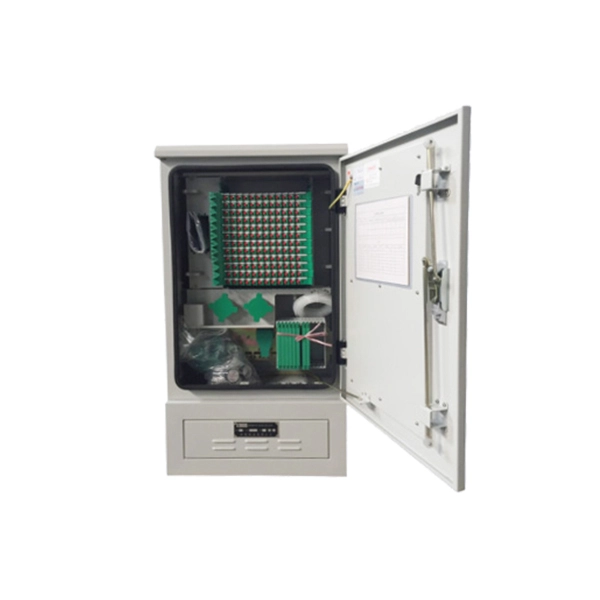
Installing a low voltage distribution box requires careful planning, proper box selection, secure mounting, and organized wiring to ensure safety, accessibility, and future expandability.Box Selection and Design Considerations

Choose a box based on location, electrical load, and environmental conditions. Residential boxes are smaller and handle lighter loads, while industrial or urban boxes may require higher capacity and durability . For outdoor or exposed areas, select boxes with IP66 or NEMA 4X ratings to protect against water, dust, and UV exposure . Materials like hard plastic are preferred for indoor boxes to avoid interference with wireless signals, while rust-proof and UV-resistant coatings are essential for outdoor installations .

Types of Installation
  • New Work Installation: Ideal during construction or major renovations. Boxes attach directly to framing members before drywall is applied. Plastic mounting rings or mud rings are commonly used, providing a sturdy anchor for faceplates and guiding cables into the wall cavity .
  • Retrofit Installation: Used in existing walls. Requires cutting into drywall and securing the box in place. Suitable for adding Ethernet, HDMI, coaxial, or keystone jacks without major structural changes .
  • Underground Installation: In urban areas, low voltage distribution cabinets can be installed underground to reduce visual clutter, improve pedestrian mobility, and enhance energy supply reliability. These cabinets often feature retractable mechanisms for maintenance access .
Mounting and Wiring

Ensure the box is large enough to accommodate all devices and allow for heat dissipation. Reserve sufficient power outlets or modules inside the box, typically at least three 5-port outlets for multiple devices . Use DIN rails, busbars, and terminal blocks to organize wiring neatly and facilitate maintenance . Each circuit should have its own breaker or fuse, and surge protection is recommended to safeguard sensitive equipment .

Safety and Compliance
  • Verify that all connections are tight and secure to prevent sparks, voltage drops, or fire hazards .
  • Use the correct wire gauge for the load to avoid overheating.
  • Follow local electrical codes to ensure safety and legal compliance .
  • For outdoor or underground installations, ensure proper waterproofing and corrosion protection .
Practical Tips
  • Avoid metal cover plates indoors if wireless signal interference is a concern .
  • Choose a slightly larger box than currently needed to allow for future expansion .
  • Label circuits and maintain organized wiring to simplify troubleshooting and upgrades . By following these guidelines, a low voltage distribution box can be installed safely, efficiently, and with long-term reliability, whether for residential, commercial, or urban infrastructure applications.
Installation of Low-Voltage Power Distribution Box

How to Install a Cable Distribution Box Safely and Correctly?

In modern electrical systems, cable distribution boxes (also known as electrical distribution boxes or distribution

Related Video Reference

This video was associated with the source search result. Verify technical details against current product documentation and project requirements.

Technical note

This reference is intended for preliminary fiber optic splice closure research. Compatibility, splice capacity, sealing class, tray layout, protection sleeves, installation methods, test limits and applicable standards must be verified for the specific project.

Still Have a Technical Question?

Use the inquiry form to describe a closure requirement, splice capacity or cable jointing question.

Start an Inquiry