DC distribution boxes must be designed and installed to ensure safe, reliable, and compliant distribution of DC power, with proper enclosures, protective devices, wiring, and adherence to relevant standards.Enclosure and Environmental Considerations
DC distribution boxes should be selected based on environmental conditions (indoor/outdoor), load capacity, and durability. Enclosures must meet appropriate IP or NEMA ratings to protect against dust, water, and mechanical damage, with steel preferred for industrial or harsh environments and plastic suitable for indoor use . Placement should ensure dry, accessible locations with good ventilation, typically at a height of around 1.5 meters for ease of operation and maintenance .
Internal Components and Wiring
Inside the box, key components include circuit breakers, fuses, busbars, terminal blocks, and wiring. DIN rails may be used for mounting additional devices, and cable entry points should allow neat and organized wiring . Proper grounding, insulation, wire gauge selection, and breaker sizing are critical to ensure safety and prevent overcurrent or short-circuit conditions . High breaking-capacity (HBC) fuses are recommended for DC circuits, while resettable devices like MCBs can be used in low-voltage or household-type installations .
Protection and Safety Devices
DC systems require specialized protective devices because DC arcs do not self-extinguish as in AC systems. Switchgear, plugs, and sockets must be rated to handle and suppress arcing . Each circuit should have its own protection, including fuses, breakers, and surge protection devices . Residual current devices (RCDs) are generally not available for DC systems, so alternative safety measures must be implemented .
Voltage and Cable Considerations
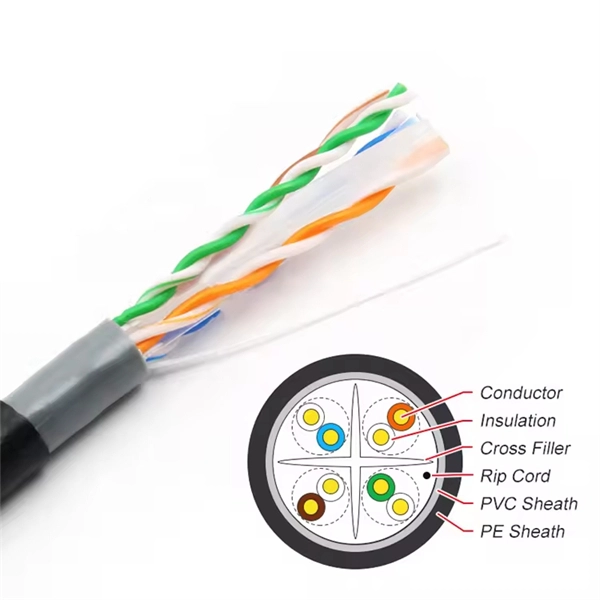
Voltage levels significantly affect cable sizing and maximum run lengths. For example, at 300 V DC, cables can carry rated current for tens of meters with ≤8% voltage drop, while at 24 V DC, the distance drops to around 3 meters, and at 5 V DC, less than 1 meter . Proper conductor sizing is essential to balance energy efficiency and voltage drop.
Compliance and Standards
DC distribution boxes must comply with relevant standards and codes, such as NEC, IEC, BS EN 50272, and local regulations . For marine or offshore applications, ABS requirements specify that DC systems must integrate with onboard electrical systems, follow DC-specific protection and control philosophies, and not directly apply AC system rules . Certificates of conformance, including documentation, drawings, and test results, are often required before commissioning .
Maintenance and Labeling
Regular inspection and maintenance are essential for long-term reliability. All circuits and components should be clearly labeled, and modular designs are recommended to facilitate future upgrades or replacements . Testing with fused test leads and appropriate instruments ensures safe fault-finding and verification of system integrity .
Summary
A properly configured DC distribution box ensures safe, efficient, and reliable power distribution by combining robust enclosures, correctly rated protective devices, organized wiring, compliance with standards, and regular maintenance. Special attention must be given to DC-specific challenges such as arcing, voltage drop, and integration with other electrical systems, particularly in industrial, marine, or renewable energy applications .