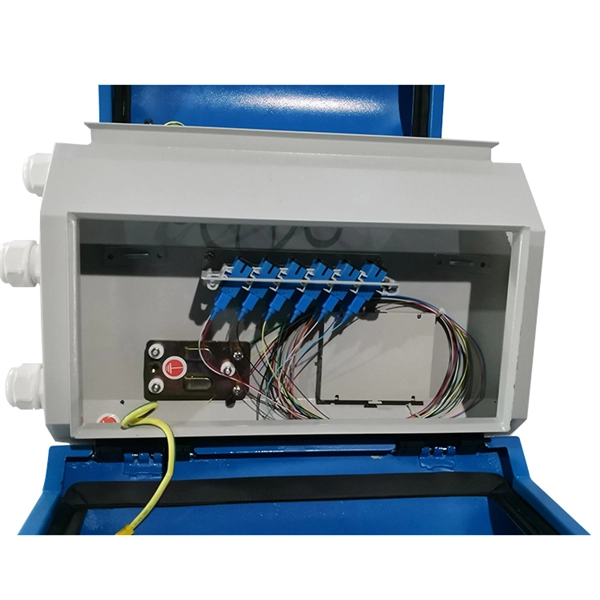
RIVO OPTICALSPLICE CLOSURES Technical Inquiry

How to disconnect the cables from the distribution box

Disconnecting cables from distribution boxes requires proper isolation, labeling, and termination to ensure safety and code compliance.Safety First

Before attempting any disconnection, ensure the circuit is de-energized using a non-contact voltage tester or similar device to confirm no electricity is present in the cables . Apply lockout/tagout procedures to prevent accidental re-energization, and wear appropriate personal protective equipment such as insulated gloves, goggles, and dust masks if working in dusty or construction environments .

Tools and Materials

Essential tools for disconnecting and terminating cables include:

  • Wire strippers for clean insulation removal without damaging conductors .
  • Crimping tools for attaching connectors or lugs securely .
  • Screwdrivers and pliers for loosening terminals and twisting wires .
  • Wire nuts, tunnel lugs, or compression connectors depending on wire size and type .
  • Optional: heat shrink tubing, cable ties, and junction boxes for insulation and organization .
Step-by-Step Disconnection
  1. Identify and Label: Tag each cable with its circuit number, breaker, or destination to avoid confusion during reconnection or future work .
  2. Isolate the Circuit: Turn off the breaker or disconnect the main supply feeding the distribution box .
  3. Loosen Terminals: Use screwdrivers or pliers to carefully loosen screws or clamps holding the conductors in place .
  4. Remove Connectors: For wires terminated with wire nuts, twist off the nut and separate the conductors. For larger cables, remove tunnel lugs or compression connectors using the appropriate tools .
  5. Cap or Terminate Ends: If the cable will remain in place but unused, cap the ends with wire nuts or insulating covers to prevent accidental contact . For permanent removal, ensure the cable is fully extracted from walls or conduits if accessible .
  6. Inspect and Clean: Check that no bare conductors are exposed and that all terminations are secure. Clean the distribution box and conduits if necessary .
Special Considerations
  • Large Conductors: Cables 16mm² or larger should be terminated using tunnel lugs or bolted compression connectors .
  • Aluminum Conductors: Use connectors rated for aluminum and apply anti-oxidant compounds to prevent corrosion .
  • Disused Wires: If a wire cannot be fully removed, leave it properly capped and labeled in the box to avoid hidden hazards .
  • Documentation: Maintain a record of disconnected cables, including tags and locations, for future reference or inspections . By following these methods, you can safely disconnect cables from distribution boxes while maintaining compliance with electrical standards and ensuring future accessibility.
How to disconnect the cables from the distribution box

Disconnecting and removing not needed cable to electrical outlets

How to disconnect and remove not needed cable to other electrical outlets from a 4” square junction box. What to do

How can I remove these Ethernet cables from the box? (Or the

How can I remove these cables from the box, or even this box from the wall? Hi everyone! I live in a apartment unit that has this box

How to Install a Distribution Box—A Comprehensive Instruction

Distribution boxes are used for power distribution, circuit protection and cable management, while junction boxes are

Electric Panel Installation Method Statement

Run the necessary conduits or cable glands to bring the electrical supply and outgoing cables into the panel or distribution box.

What is the best way to permanently abondon an unused cable?

If you want to leave it "for future use" terminate it at a junction box. If abandoning, make it impossible to reconnect

How to Disconnect a Spectrum Cable Box from Your TV

Disconnect your Spectrum cable box safely by powering off devices, unplugging cables correctly, and avoiding damage while

Related Video Reference

This video was associated with the source search result. Verify technical details against current product documentation and project requirements.

Technical note

This reference is intended for preliminary fiber optic splice closure research. Compatibility, splice capacity, sealing class, tray layout, protection sleeves, installation methods, test limits and applicable standards must be verified for the specific project.

Still Have a Technical Question?

Use the inquiry form to describe a closure requirement, splice capacity or cable jointing question.

Start an Inquiry